Bailey Green & Elger B.G.E. Originales History
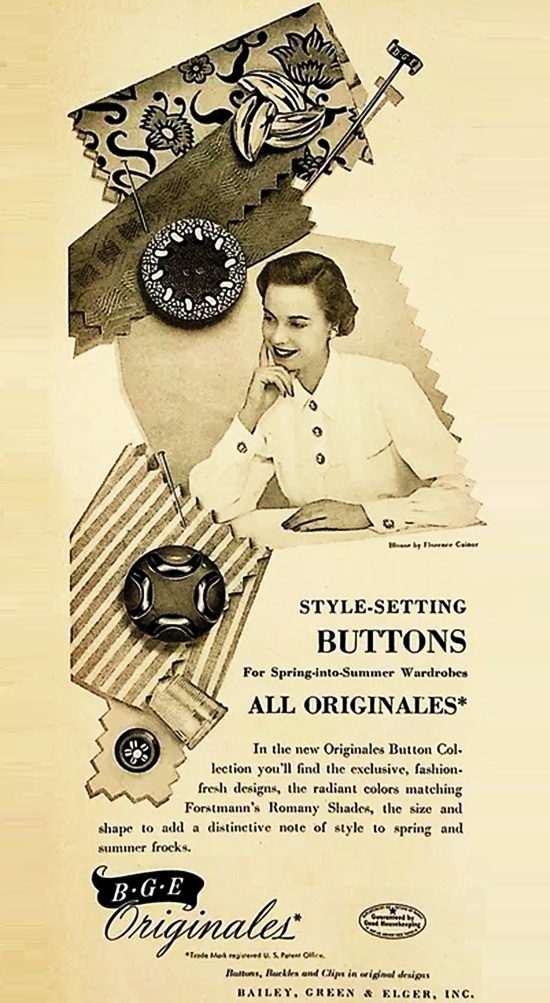
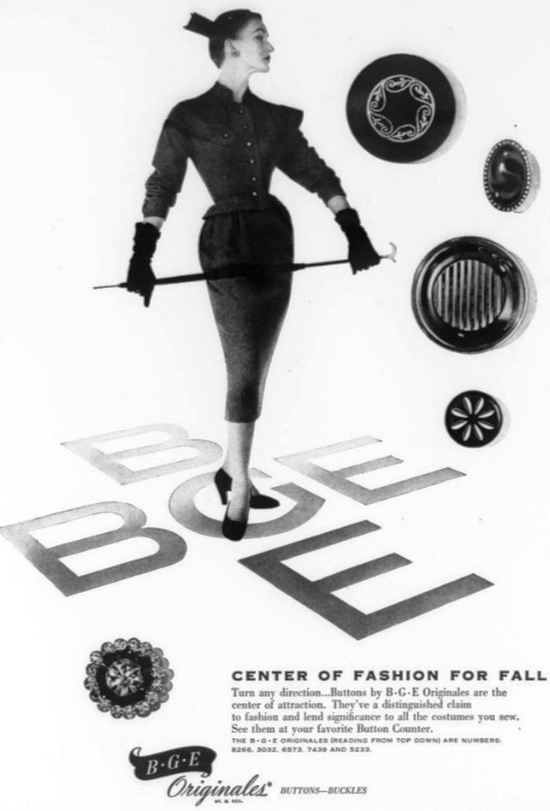
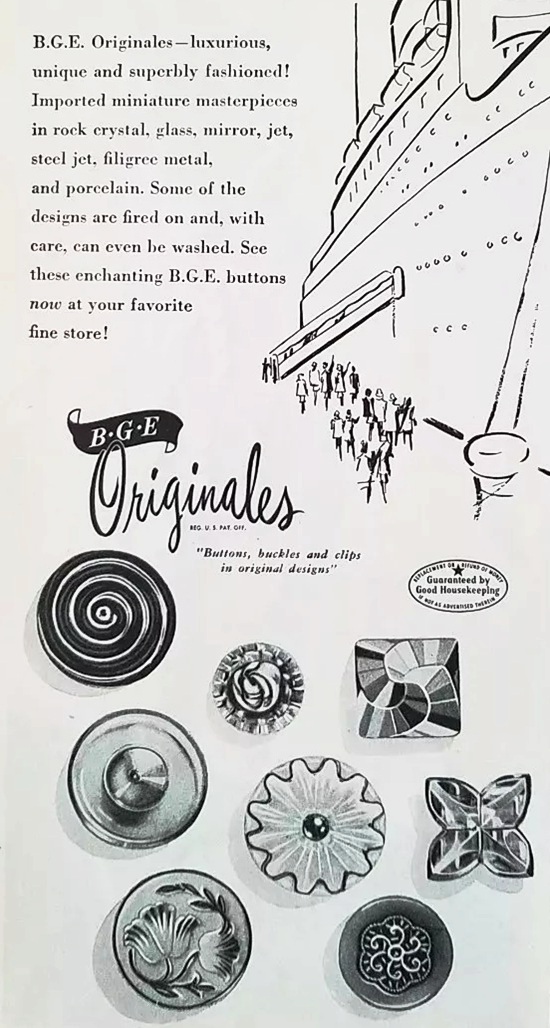
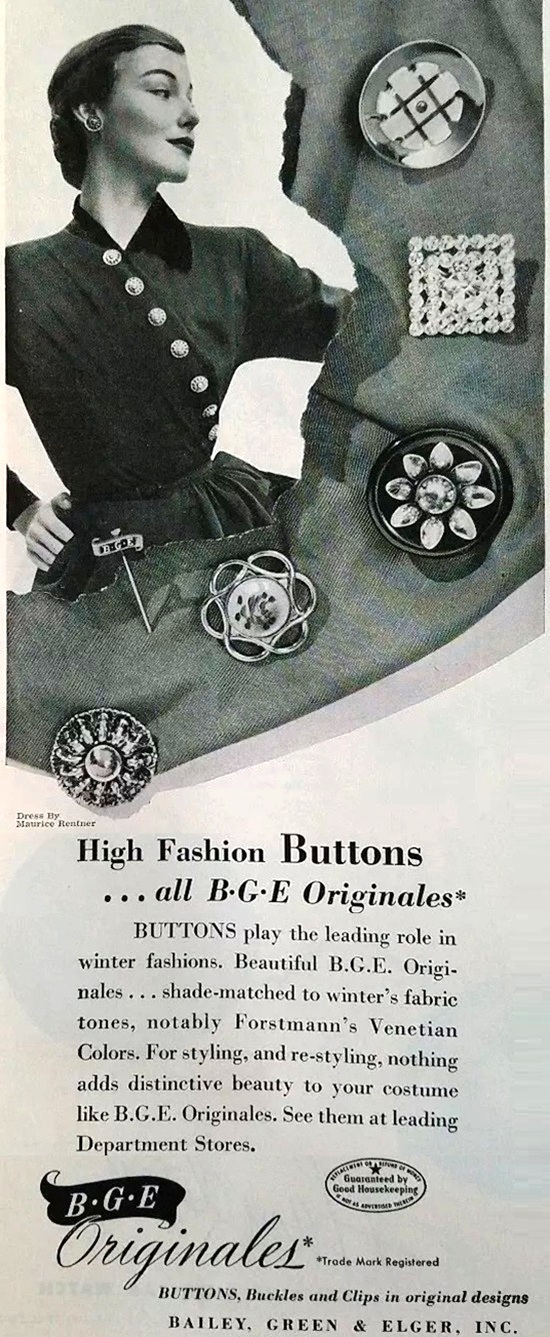
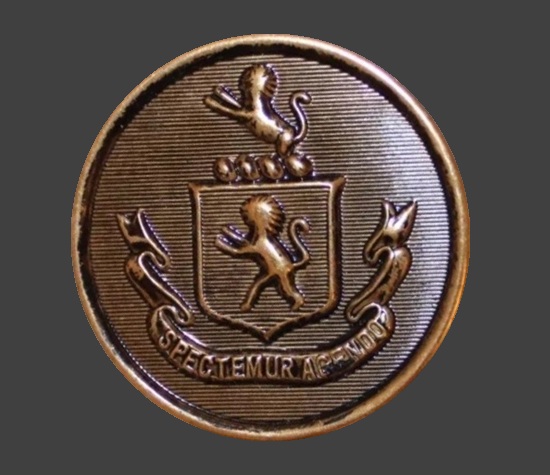
The history of Bailey, Green & Elger which operated as B.G.E. Originales, began in the 1880s. Bailey, Green & Elger, Inc was a prominent wholesale importers, manufacturers and distributors of buttons. Widely advertised in fashion magazines and sold in leading Department Stores, the company contributed to the development of the fashion industry in the USA.
It was originally a firm founded by Ezra B. Bailey (1856-1929) on Broadway. Samuel Green (1861-1916) joined the firm in 1890, and Harry Elger (1860-1920) became the third partner a year later. The business was very successful, and the company moved to a new address at 248 Fourth Avenue, Manhattan.

After Harry Elger retired and Samuel Green died in 1916, Ezra B. Bailey took over the firm. The new office, still called Bailey, Green & Elger, was located at 136 Madison Avenue. According to death notices in the New York Times, Bailey was the founder of the firm, Green and Elger were members.

However, different sources indicate different dates of the company’s formation. Thus, the trade directory Sales Management (1943) calls Bailey, Green & Elger a 47-year-old company, i.e. founded in 1897. According to The collector’s encyclopedia of buttons (1967), the history of Bailey, Green & Elger began in the 1880s.
Following Bailey’s death, Otto Boschen became president and the corporation moved from Madison Avenue to 115 W. 40th St., where it remained until its closure in 1974. Finally, Bailey, Green & Elger became a subsidiary of Lyntex Corporation of New York.


Bailey Green & Elger B.G.E. Originales History
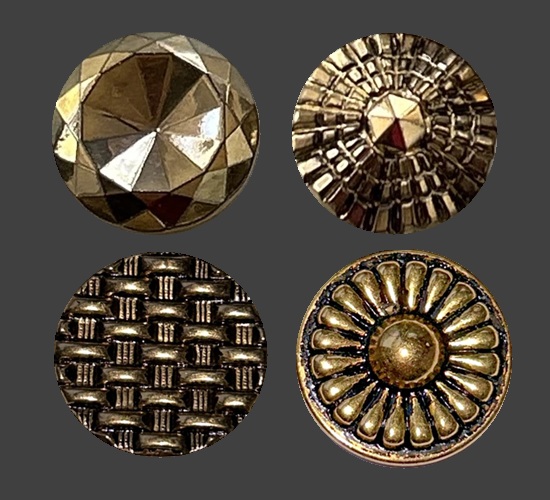
In fact, the company imported up to 70% of its buttons, mainly from Italy, Holland, France, Germany and Japan. However, during World War II, this share decreased. So, the company entered into contracts for the production of buttons with American jewelry companies.
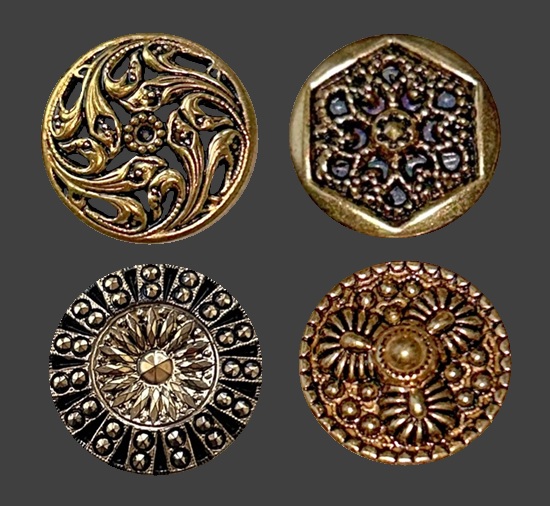
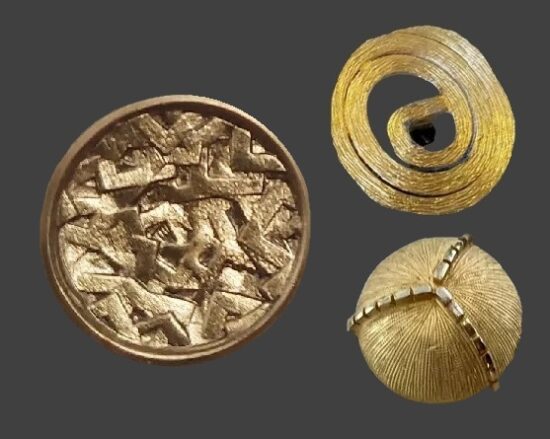
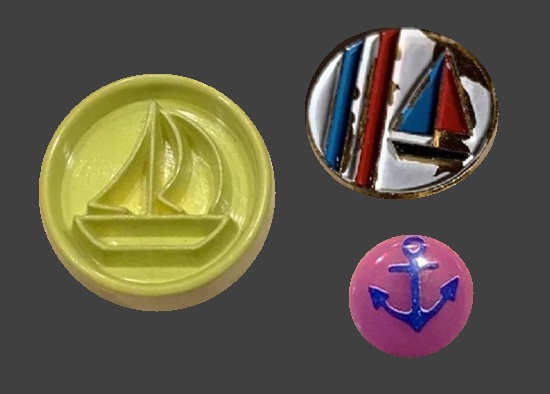
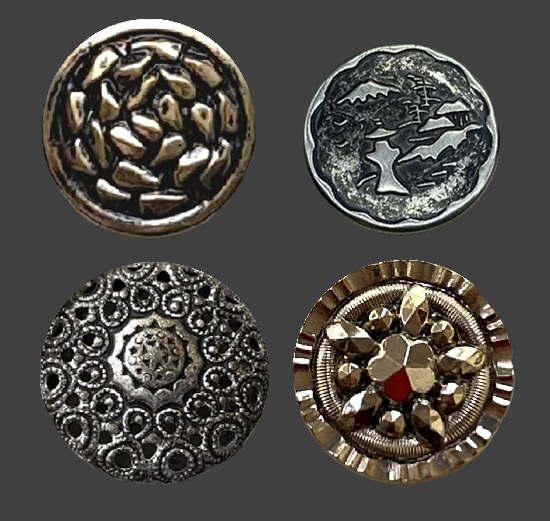
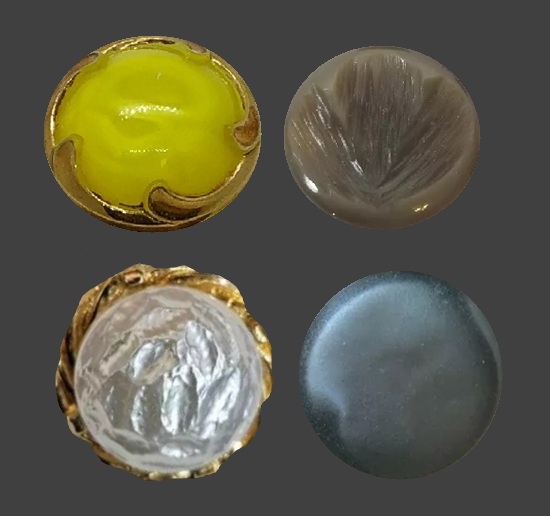
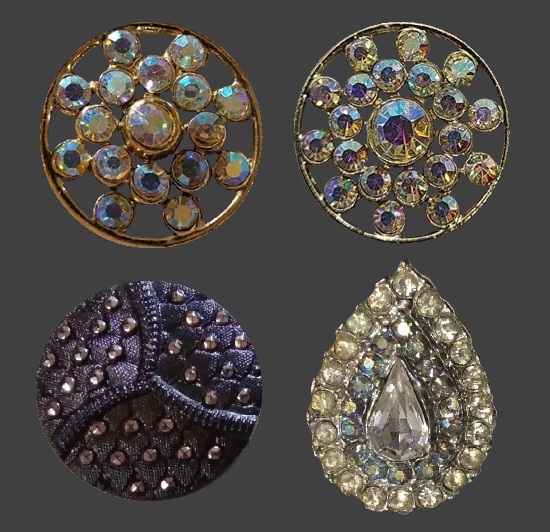
The original design of the buttons included the use of gold, pearls, rhinestones, crystals and enamel. Yet, the main materials for the production of buttons remained plastic, wood, metal, textile, and ceramics.