Friedrich Speidel Jewelry Brand History
German goldsmith Friedrich Speidel established his chain manufacturing company in 1868 in Pforzheim. At the beginning of the 20th century, his factory became the largest gold and silver chain factory in Germany.
Before opening his office at 71 Nassau St., Providence in October 1910, Speidel had traveled frequently to the United States and Canada as a sales representative for his Pforzheim company. In 1911, he moved his business, including the plant from which he operated, to 162 Clifford St., Providence, R. I. He completed the settling of the new offices and began to rapidly expand production.
Noteworthy, the name and surname of the jeweler instead of Friedrich Speidel are often misspelled in reference books as Frederick Spiedel.
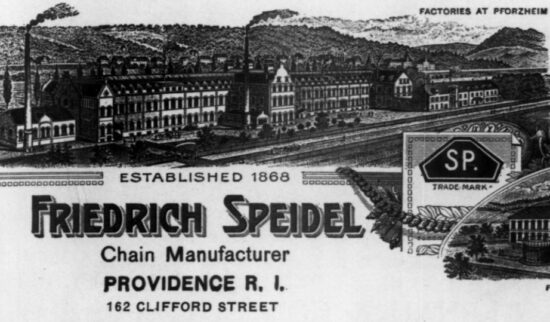
Walter Forstner became manager and sales representative for F. Speidel Co. Besides, in 1914 he founded his own company W. Forstner & Co. on manufacture of chains at the same address 162 Clifford Street. He continued to work for both firms.
Albert and Edwin Speidel, sons of Friedrich Speidel, opened the Automatic Gold Chain Co in 1913 at 7 Ship St., Providence in the new Doran building.
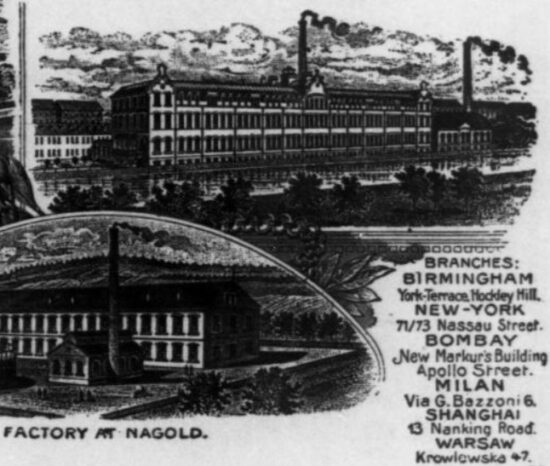
Reputable for its high quality, Fred Speidel’s firm grew rapidly and successfully, with new factories and branches opening in the United States and other countries, including Birmingham, Bombay, Milan, Shanghai and Warsaw. However, big politics, or more precisely, the First World War, where Germany was the enemy, soon interfered with business affairs.
Nine arrested men
According to The Jewelers’ Circular sensational note, published 18 April, 1917, the Federal authorities arrested all of those who were connected with Speidel. Among the nine arrested men were Wilhelm Forstner, Walter Forstner, Karl Schroth, Frederich A. Dieterich, John Hutt, and others.
All of them were jewelers born in Pforzheim, Germany, and came to the USA in 1910-1912. Subsequently, the assets of the Speidel and Forstner companies were confiscated and put up for auction.
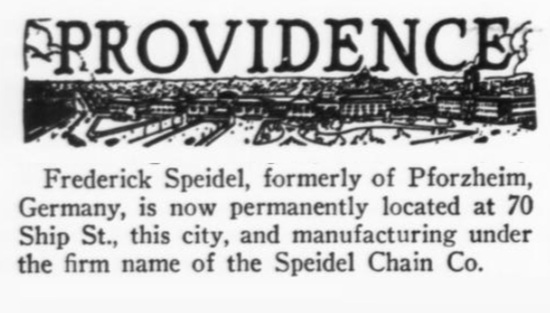
Speidel permanent location in Providence
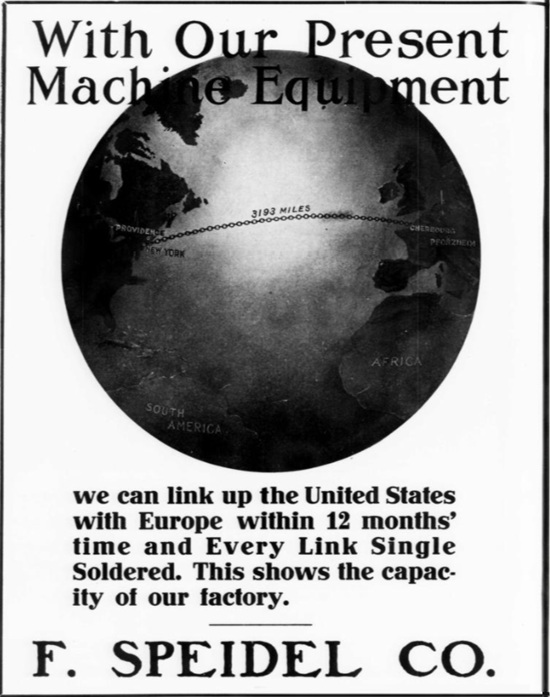
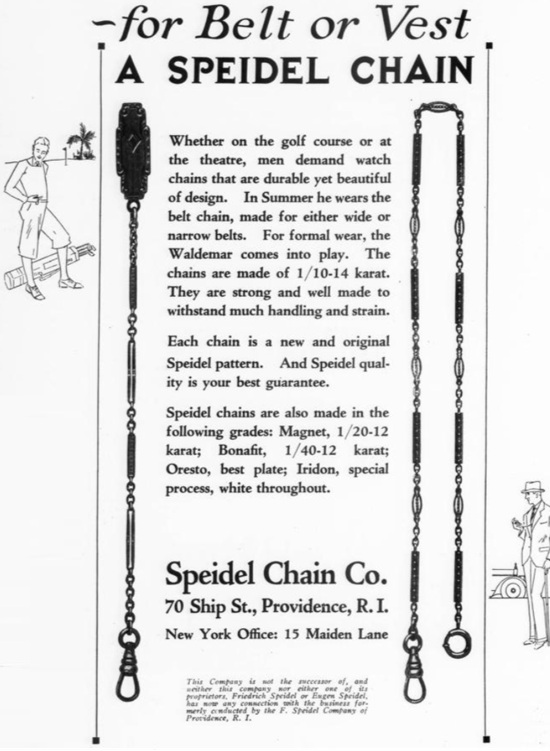
Despite everything, Speidel and Forstner successfully continued the jewelry business in the United States after the end of the war. In 1923, Friedrich Speidel, formerly of Pforzheim, moved to his permanent location at 70 Ship St., Providence. Since that time he manufactured under the firm name of the Speidel Chain Co.
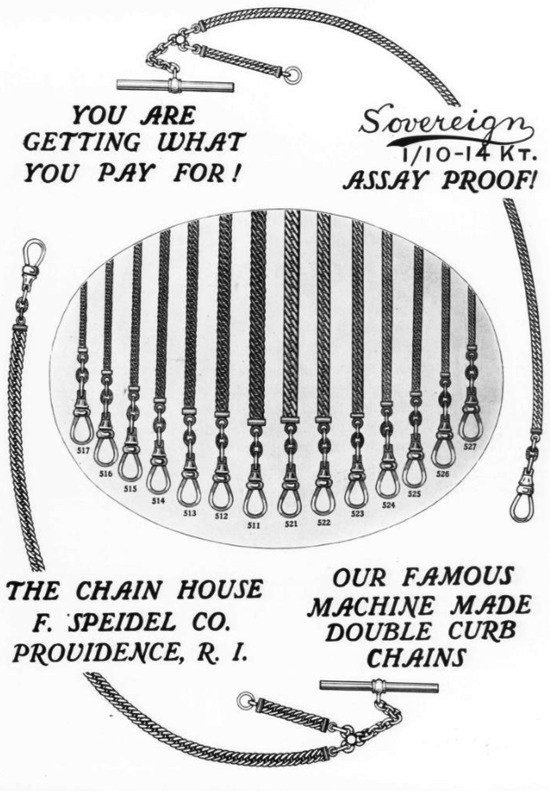
Friedrich Speidel died in 1924, and all his business, including Automatic Gold Chain Co and Speidel Bros turned into Speidel corporation. Wilhelm Forstner became president of the corporation, while Eugen Speidel, Albert and Edwin Speidel also took up leadership positions.
At the request of Wilhelm Forstner, president of the corporation, Horace N. Peck took charge of the Speidel as trustee in March 1925. He made a thorough investigation and took a careful inventory of its affairs. Peck estimated the assets at about $32,000 and the liabilities at about $27,000.
In 1927, The Automatic Gold Chain Co and Speidel Bros established a permanent office in Chicago with headquarters at 31 N. State St, with R. B. Piowaty as mid-west representative. Albert Speidel, president of The Automatic Gold Chain Co, became president of Speidel Corporation in 1930 and headed the family business until his death in 1937. His brother Edwin Speidel took over Speidel Corporation.
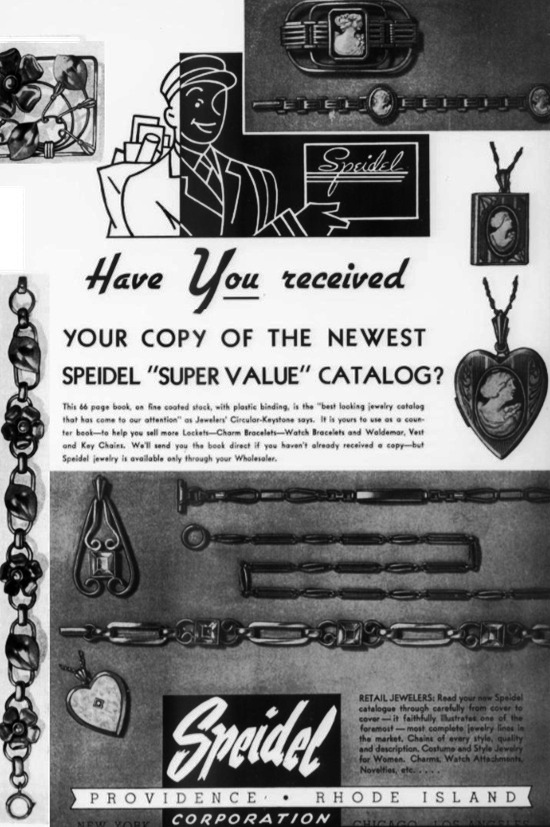
Friedrich Speidel Jewelry Brand History

Paul Levinger, executive vice-president and treasurer of Speidel Corporation for 12 years, became president and sole stockholder of the company on July 1, 1961. Levinger succeeds to the presidency held by the late Edwin Speidel and became sole stockholder through acquisition of stock formerly held by Speidel.

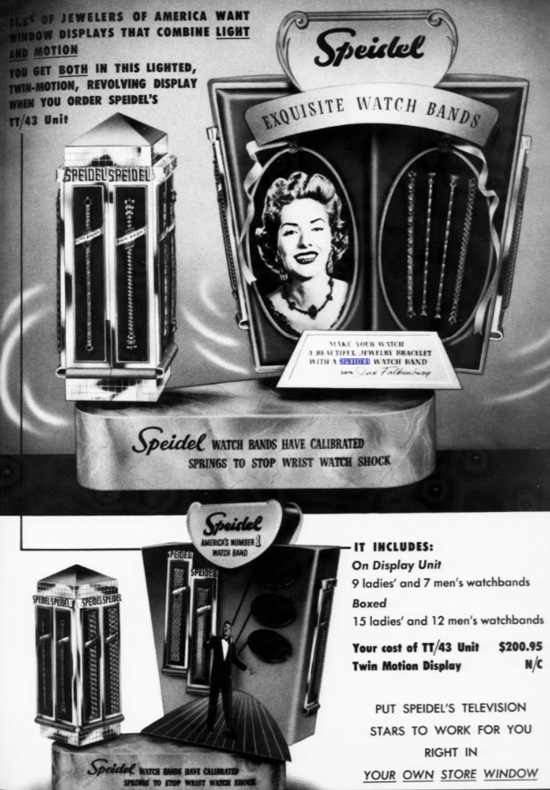
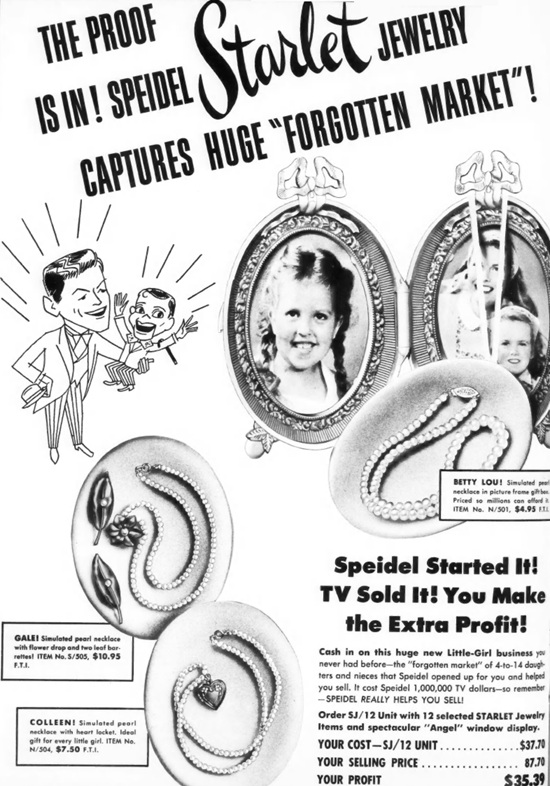
A native of Germany, Levinger started his Speidel affiliation in 1934 as assistant manager. Five months later he was vice-president, a director in 1937, executive vice-president and treasurer in 1949. Under Levinger’s leadership, the company began an advertising campaign on the radio, and then switched to television advertising.
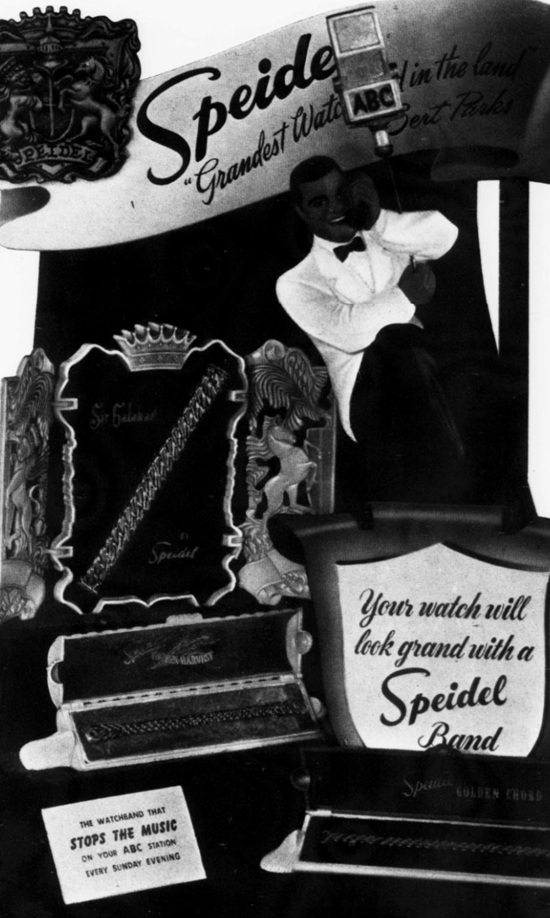
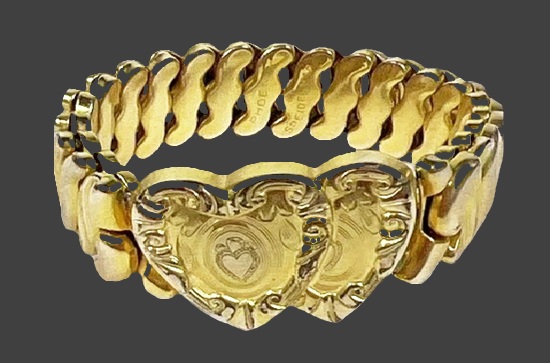
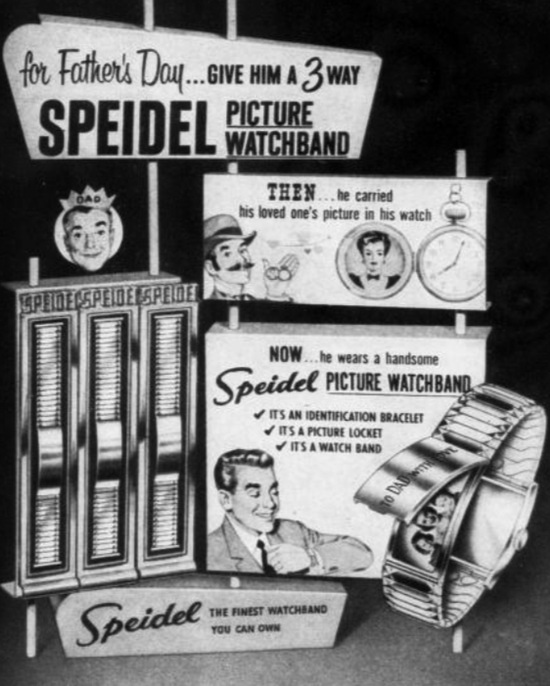
Speidel’s product range included wristwatches, lighters, writing instruments, accessories and all types of jewellery. However, Speidel marketed itself and gained a reputation for producing watch straps, chains and bracelets.
In 1964, when the company had gained international recognition, Paul Levinger sold the company to Textron, Inc.
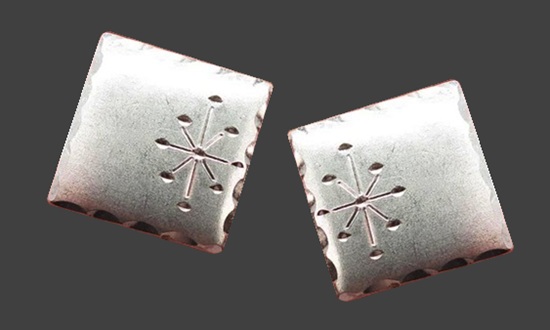
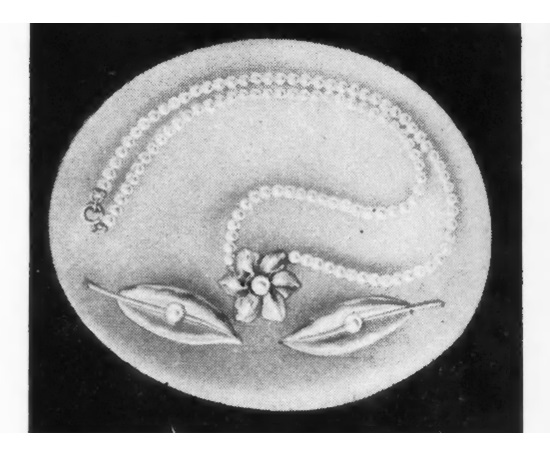
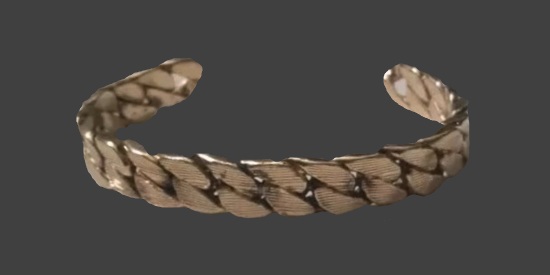
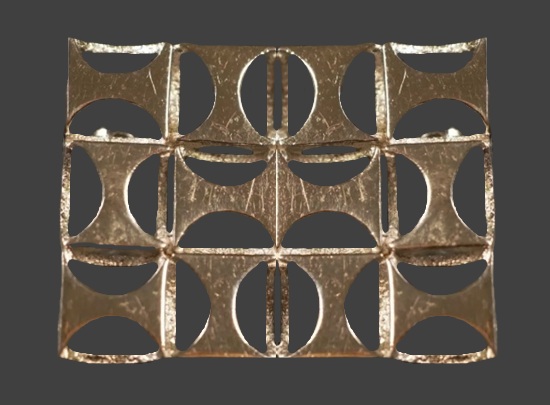
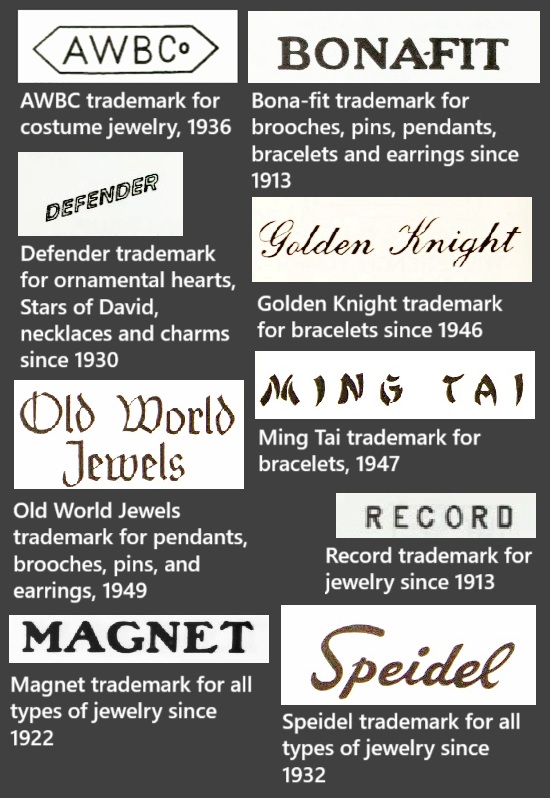
Vintage Jewelry by Speidel