Providence Jewelry Company Wachenheimer Brothers
The history of the Wachenheimer Brothers jewelry company began in 1903 under the name H. Wachenheimer & Co. Its founders were brothers Harry and Samuel Wachenheimer, as well as Charles F. Markham and John H. Stone. In December 1904, Harry (b. 1878) and Samuel Wachenheimer (1880-1927) bought out their partners’ shares.
After their third brother, Jacob (1876 – 1934), joined the business in January 1905, they changed the firm’s name to Wachenheimer Brothers. The three brothers, all New York natives, were the sons of Ferdinand and Caroline Wachenheimer. Harry Wachenheimer led the company as president, Samuel became vice president and treasurer, and Jacob became vice president and secretary.
Incorporation
On December 30, 1919, Wachenheimer Brothers incorporated under the laws of the state of Rhode Island with a capital stock of $300,600. Harry Wachenheimer managed the main office and jewelry factory, located at 36 Garnet Street in Providence.
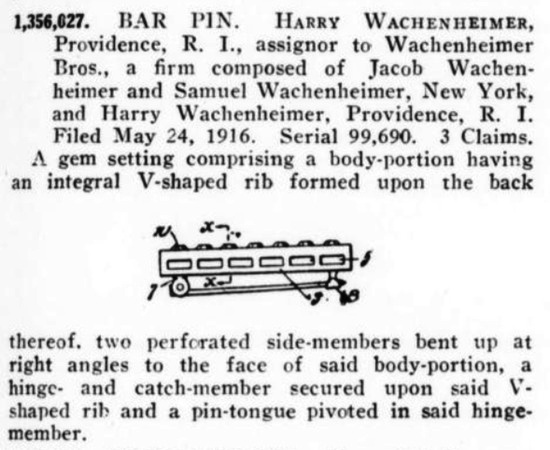
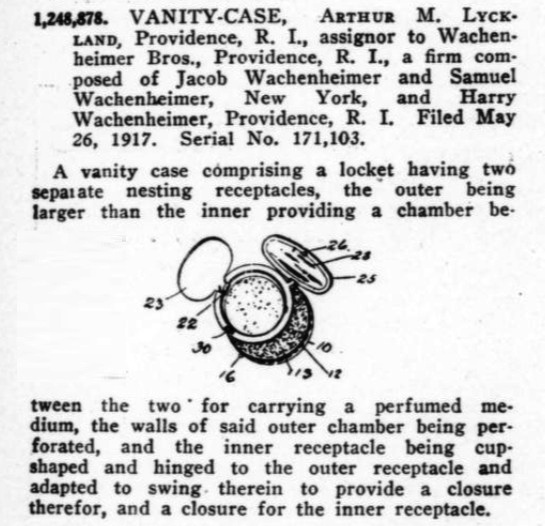
His brothers managed branch at 308 Fifth Avenue, New York City. Both brothers, Samuel and Jacob, married in New York City in 1913. Harry Wachenheimer was married in 1920 in Providence. Remarkably, Harry Wachenheimer was himself a talented designer and the inventor of several inventions, for which he received patents in 1916, 1917, and subsequent years.
Jewelry Lines
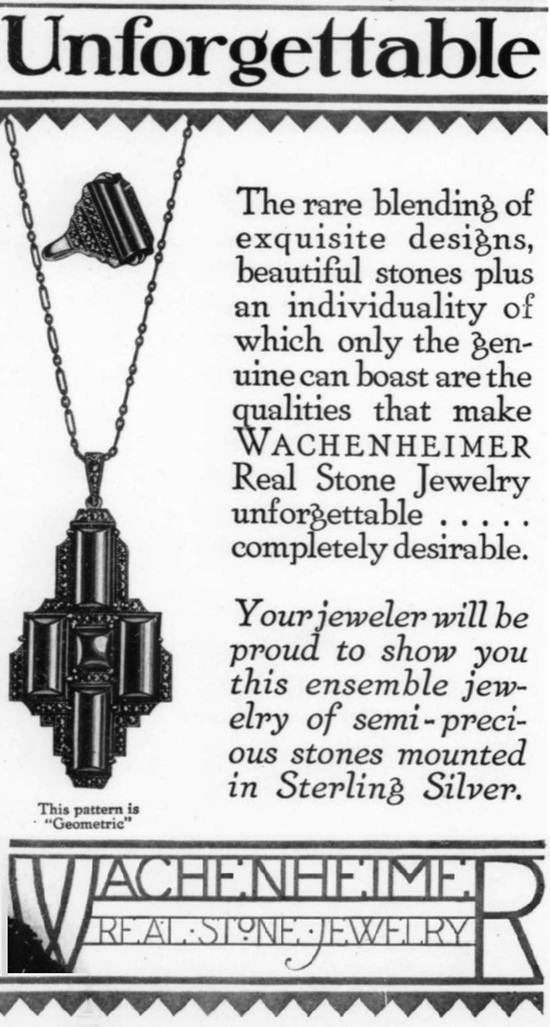
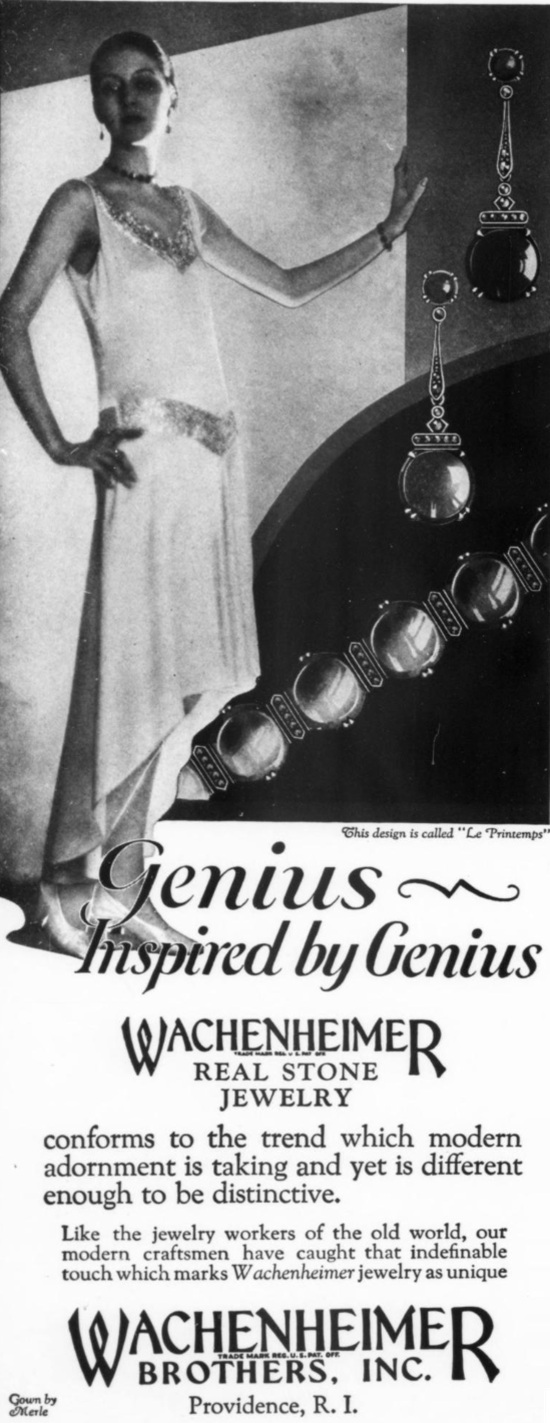
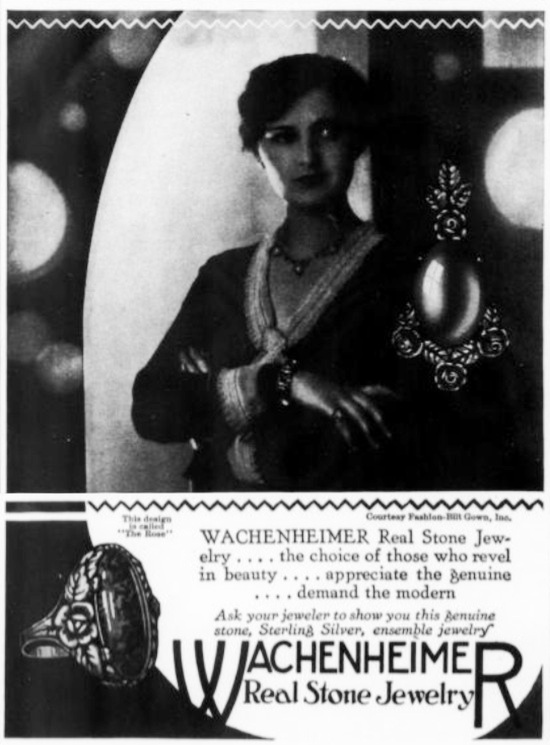
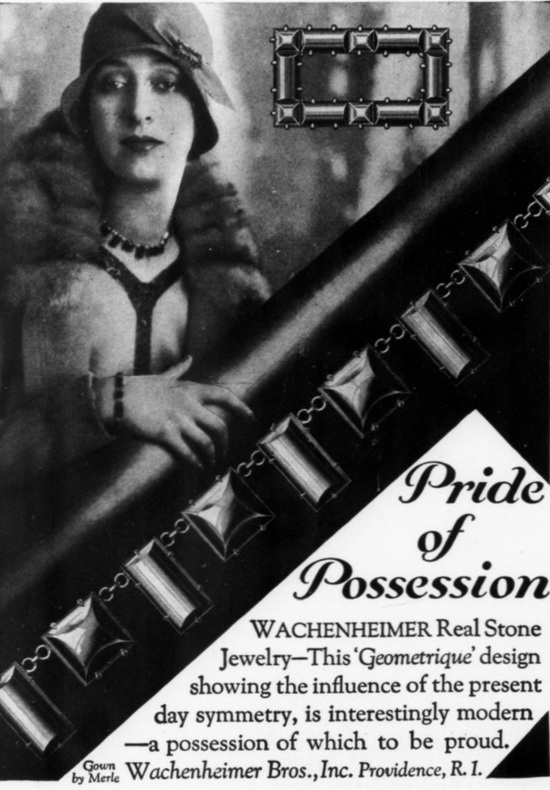
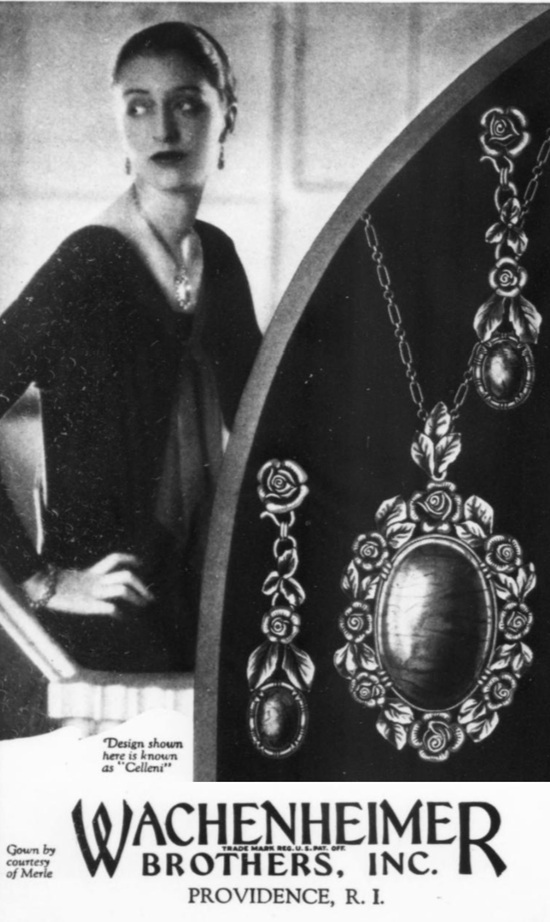
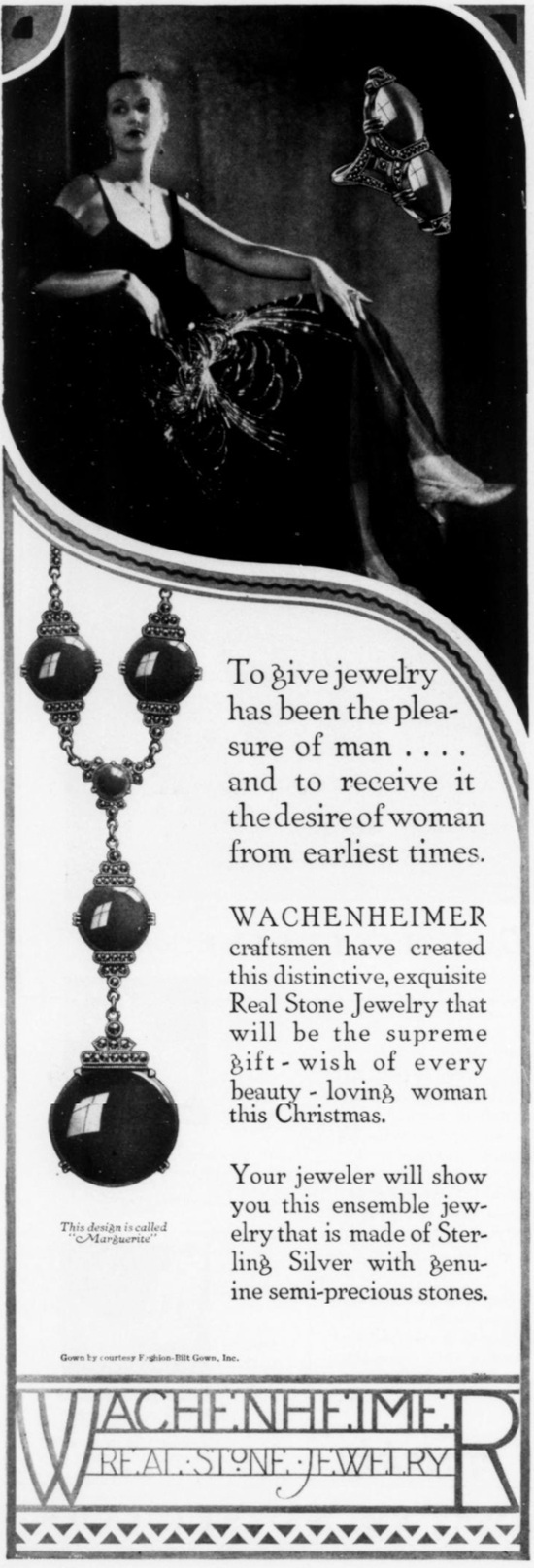
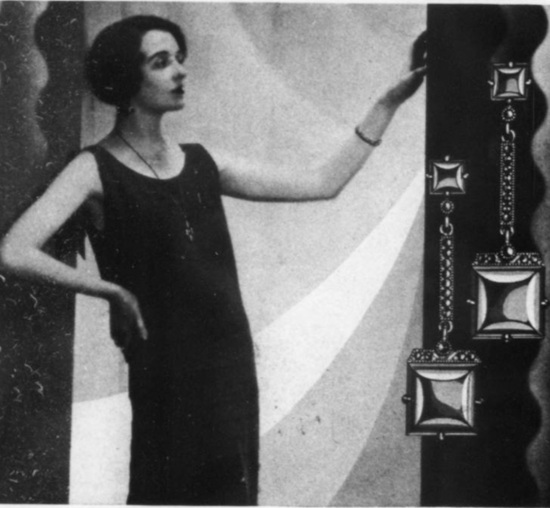
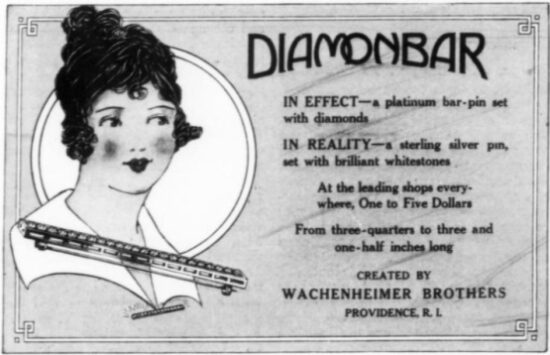
WB jewelry made with semi-precious stones showcases the exquisite handcrafting of artisans from another era and the unusual effect of silver and natural stones. Some of the jewelry collections created by the company’s artisans include “Celleni,” “Flexible,” “Lady Gloria,” “Rose,” “Geometrique,” “Vanuette”, “Le ‘Printemps,” “Marguerite,” and “Diamonbar.” Jewelry from these collections regularly graced the pages of fashion magazines such as Harper’s Bazaar and Vogue.
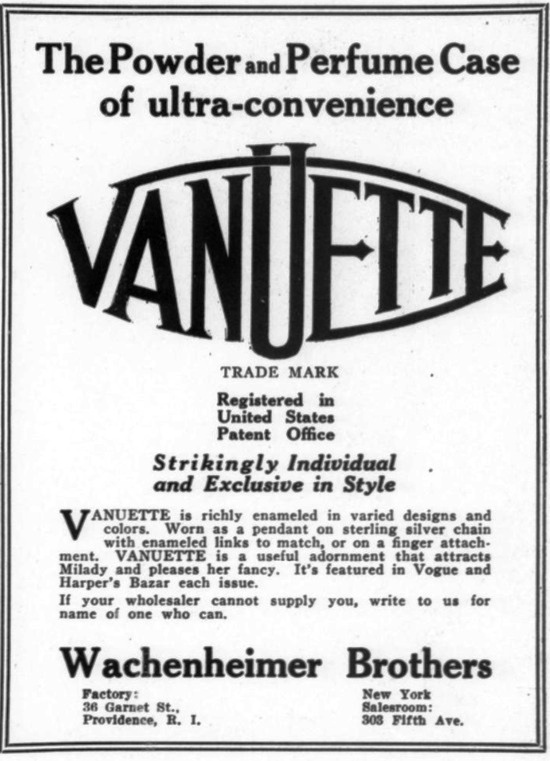
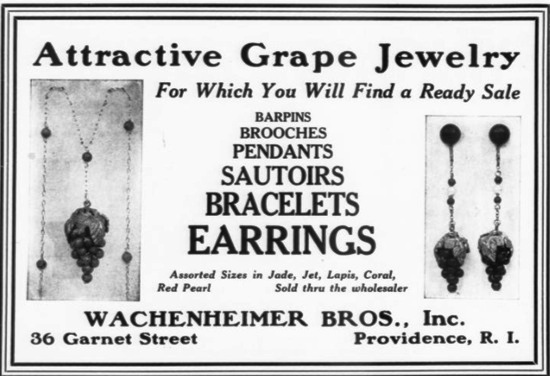
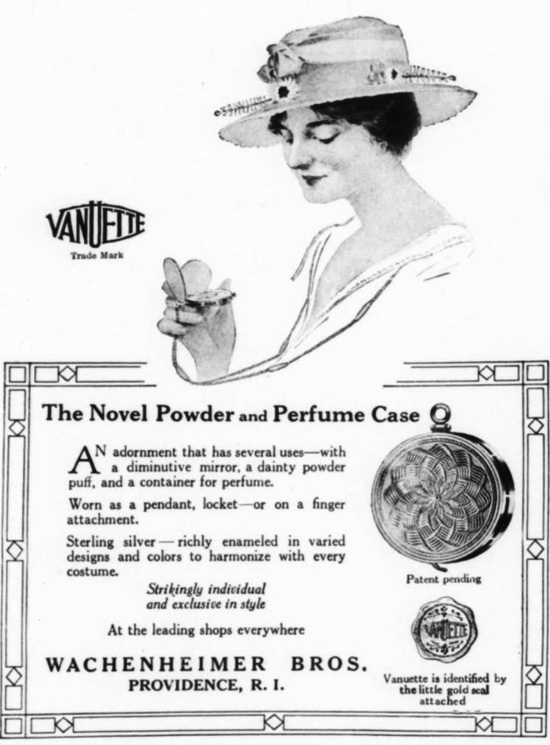
The WB jewelry lines included not only necklaces, earrings, rings, brooches, and bracelets, but also powder cases, cigarette cases, buckles, and more. The “Vanuette” powder compact was officially introduced by Wachenheimer Bros in 1917. It was an intricately designed powder case with an enameled front panel, mirror, powder puff, and perfume bottle in silver and gold trim. Moreover, the enamel color selection was wide. Women could wear “Vanuette” as a locket, pendant, or on a finger.
Edward O. Otis, Jr., purchased WB
In December 1934, a notice appeared in the Jewelers’ Circular announcing that Edward Otis had purchased the Wachenheimer brothers’ firm. Speaking about his new business, Otis said, “I have assumed control of the plant, production lines, patents, etc., of the former Wachenheimer Bros., Inc.”
However, he retained the plant and staff at 36 Garnet Street. For three decades, the renewed company continued to produce high-quality sterling silver jewelry with natural stones and marcasite.
Ads