AJC American Jewelry Chain Company History
The history of the American Jewelry Chain Company began in 1927 in Providence. Incorporated under the laws of Rhode Island with a capital of $25,000, The American Chain Co aimed to manufacture gold and silver jewelry and chains. The incorporators were Frederic W. Bopp and Otto P. Kulisch, of Providence, and Julius T. Fink, of Plainville, Mass.
Julius Theodore Fink (1886-1930) led the American Jewelry Chain Company as president, and Frederick W. Bopp as secretary. Born in Pforzheim, Germany, Julius T. Fink came to the USA in 1912, and settled in Plainville, Massachusetts. He began his jewelry career at the Whiting Chain Co.
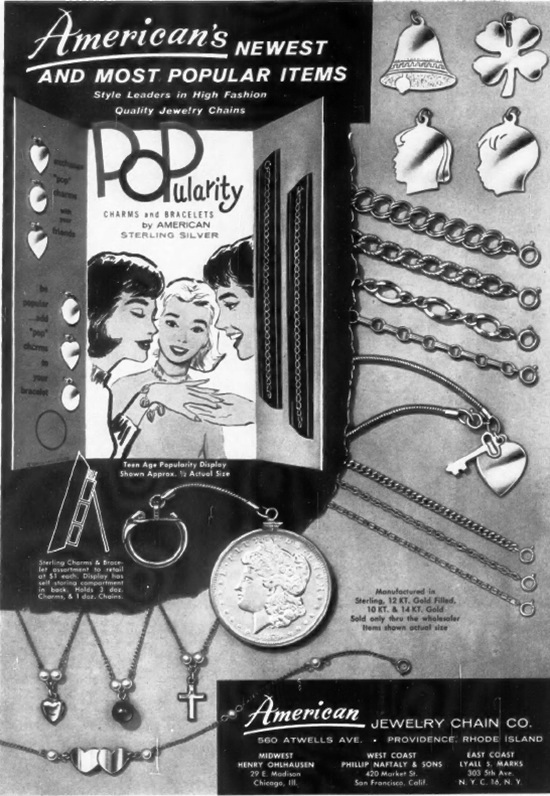
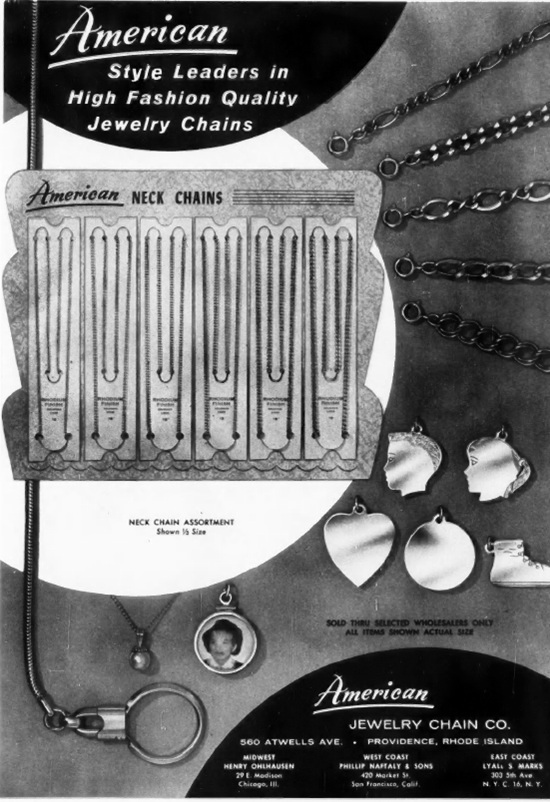
In 1927 George Benker (December 30, 1904–1996) joined American Jewelry Chain Co, 38 Friendship, Providence. He worked as secretary for seven years, and in 1934 became president and treasurer. The same year he married Madeline Rebecca Webber. Noteworthy, the company’s address changed to 560 Atwells Ave., Providence RI, with a New York Office at 303 Fifth Ave.

Born South Attleboro, Massachusetts, George Arthur Benker was the son of German-born Wolfgang and Marie Antoinette Benker. George Benker graduated from Burdett Business College in Boston, Massachusetts, and one-year course of business school. He worked as assistant paymaster for Whiting & Davis Company, Plainville, Massachusetts in 1923-25. In 1925-1927 he worked as assistant bookkeeper for Sturtevant & Haley, Cambridge, Mass.

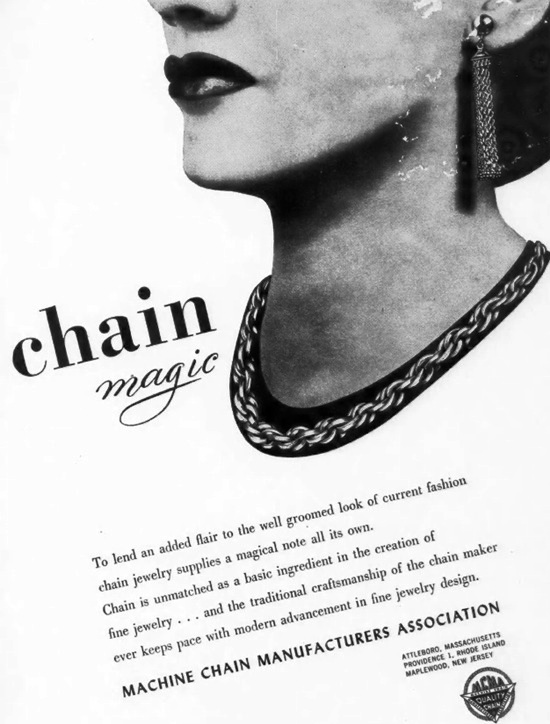
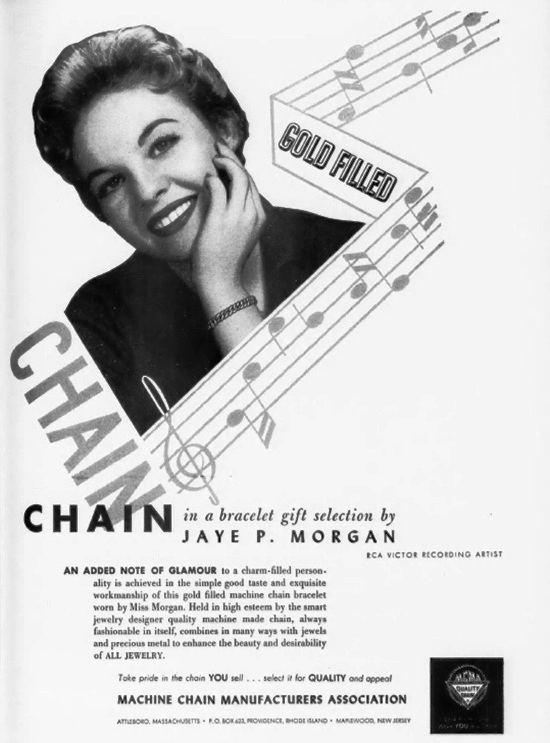
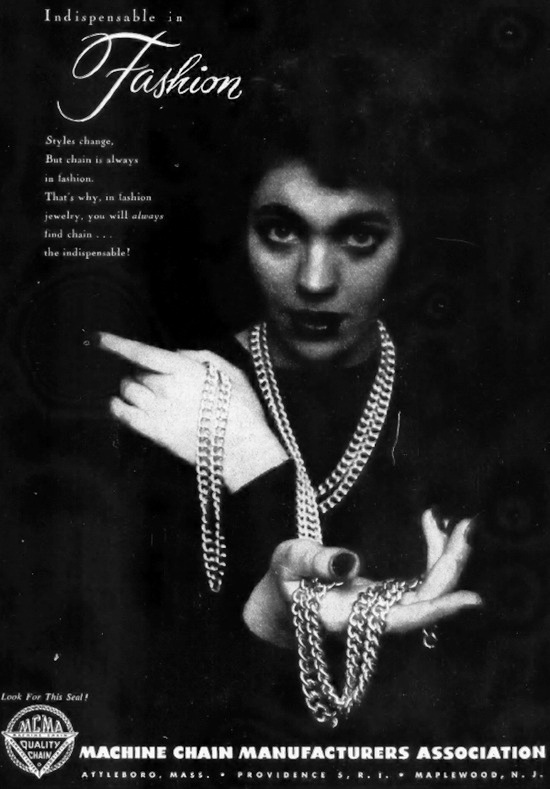
Notably, in the 1950s The American Jewelry Chain Co widely advertised its products under MCMA Machine Chain Manufacturers Association.
AJC American Jewelry Chain Company History

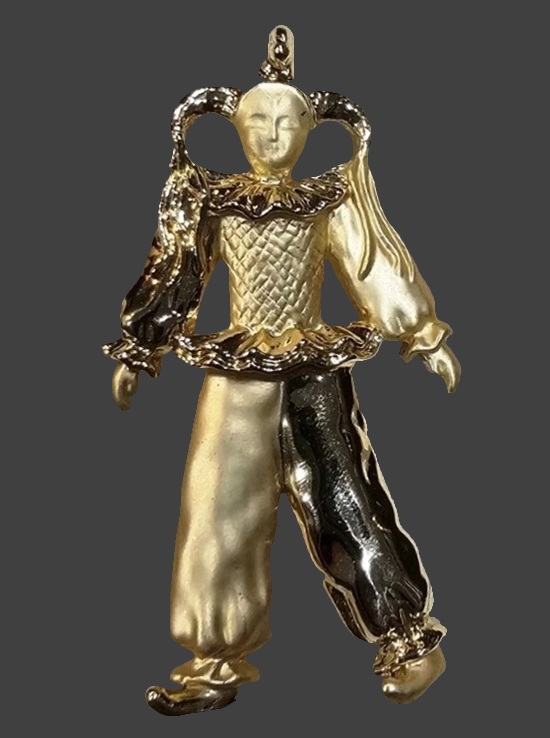
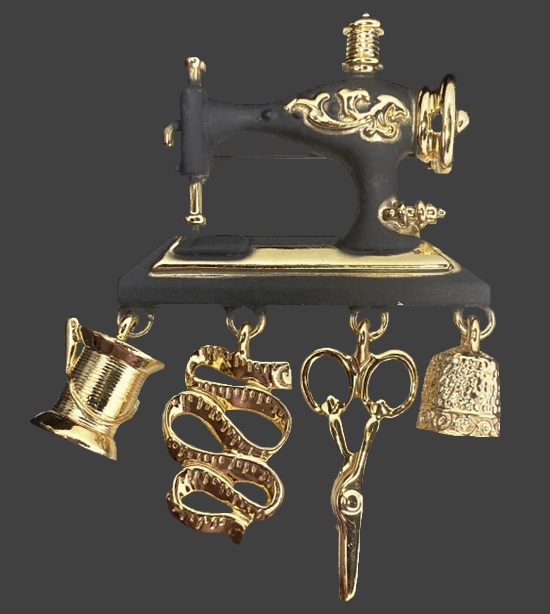
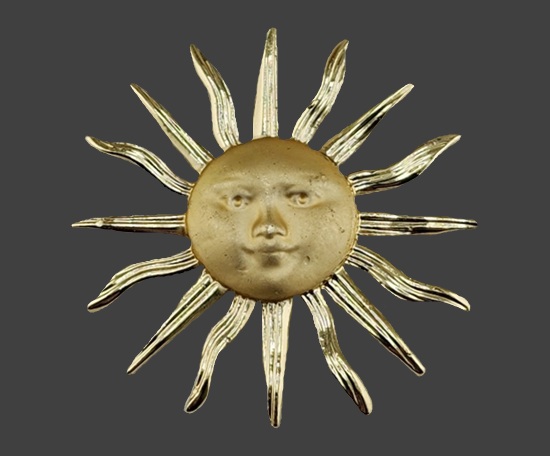
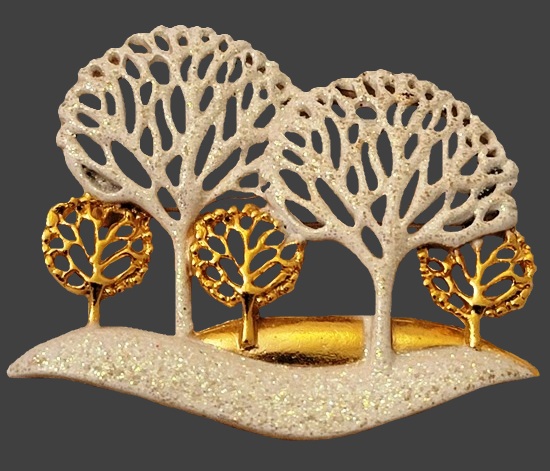
George Benker retired from the American Jewelry Chain Co in 1969. Since that time, not only the company’s management has changed, but also its product range. Renewed in 1969, A.J.C. began manufacturing whimsical and scenic design brooches, pins, bracelets, and pendants. Traditionally, the design included varied seasonal and animalistic motifs, people, their hobbies and professions.
A.J.C. ceased to exist in the mid 1990s.