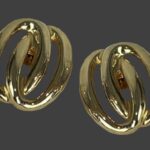
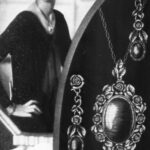
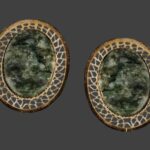
Anson Legendary Brand of Men’s Jewelry
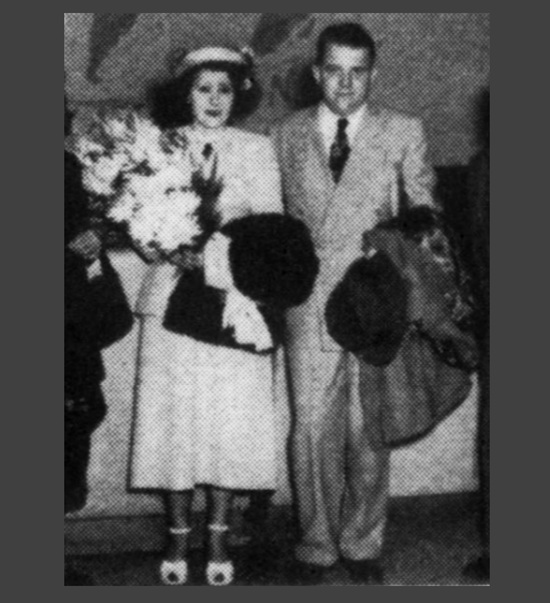
Swedish born silversmith Olof V Anderson emigrated to the United States in 1929, and was naturalized in 1934. In 1938, he founded Anderson Tool & Die Co, which manufactured tools for jewelry production. During the war, the plant located in Providence, Rhode Island, fulfilled military contracts.
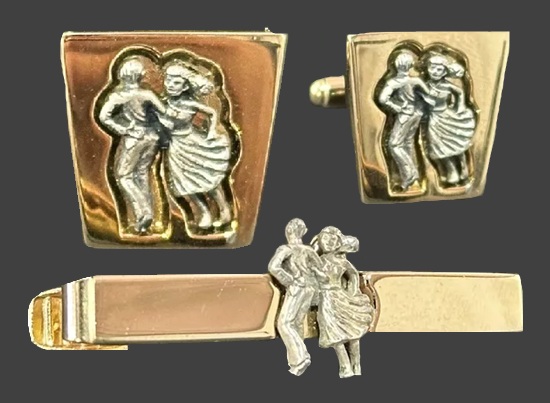
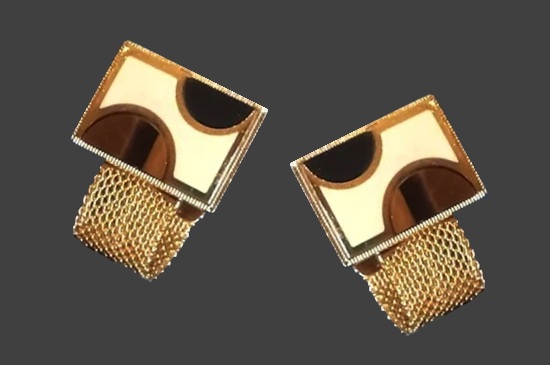
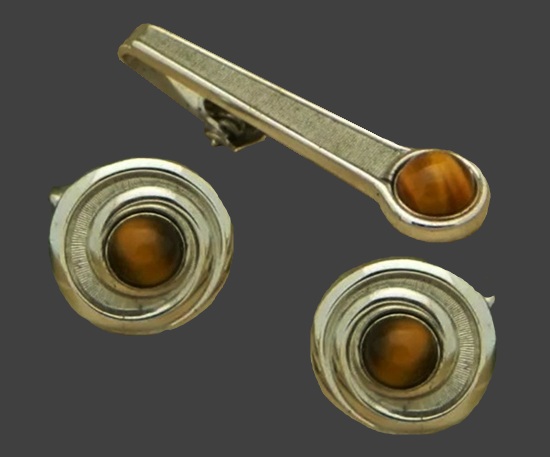
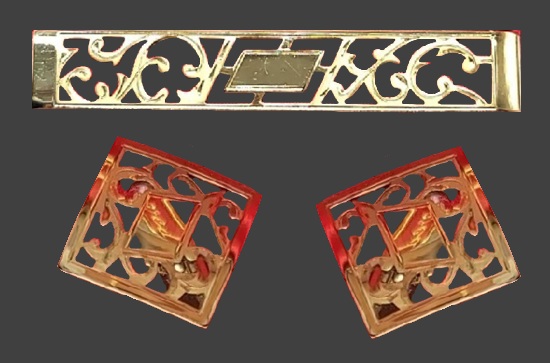
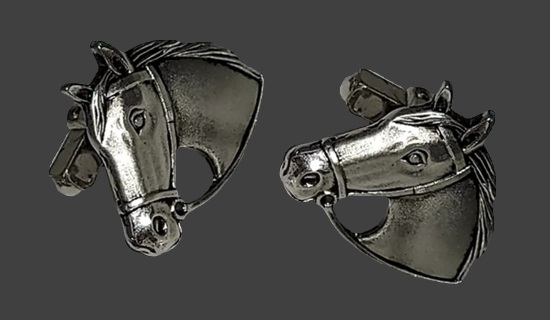
The company changed its name to Anson Incorporated and began manufacturing men’s accessories in 1945. Anson craftsmen made high quality buckles, tie pins, money clips, cufflinks, key rings, bar brooches and bracelets using silver and gold plating.

Permanent participants of national jewelry exhibitions, Anson received highest awards for their products. Meanwhile, their competitors Swank firm accused Olof V Anderson in Federal Court of copying Swank’s products.
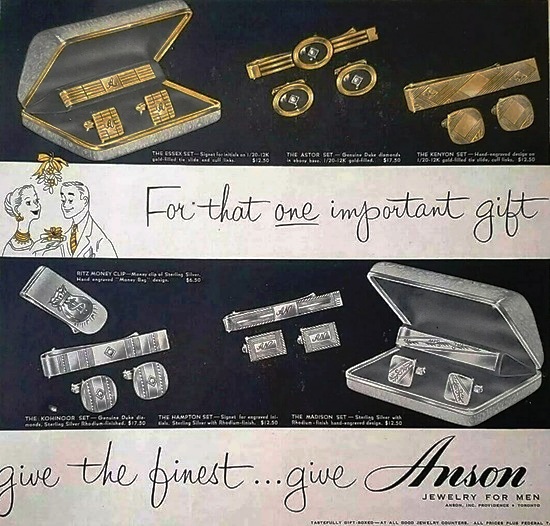
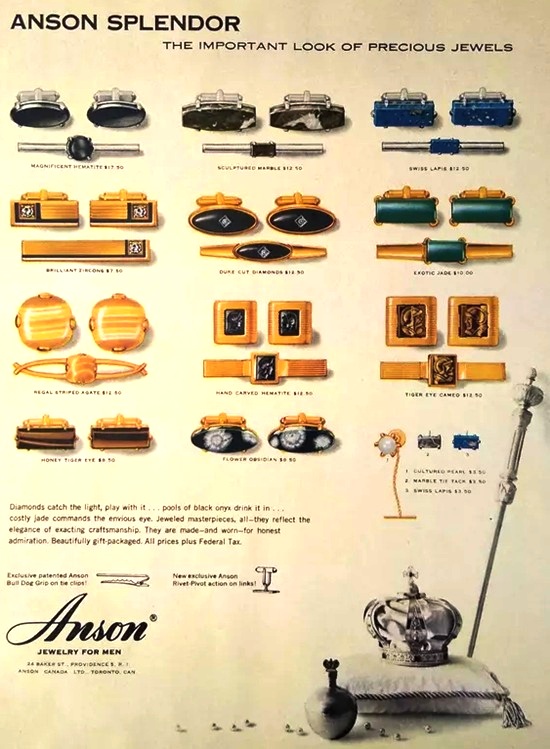
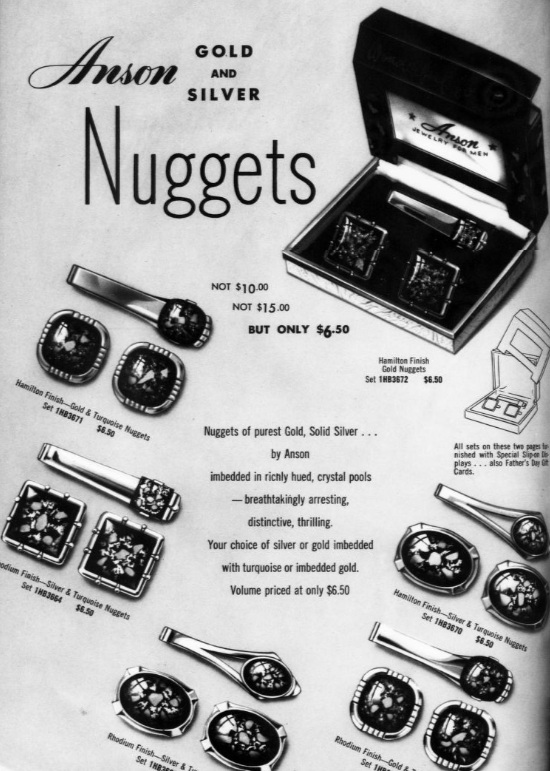
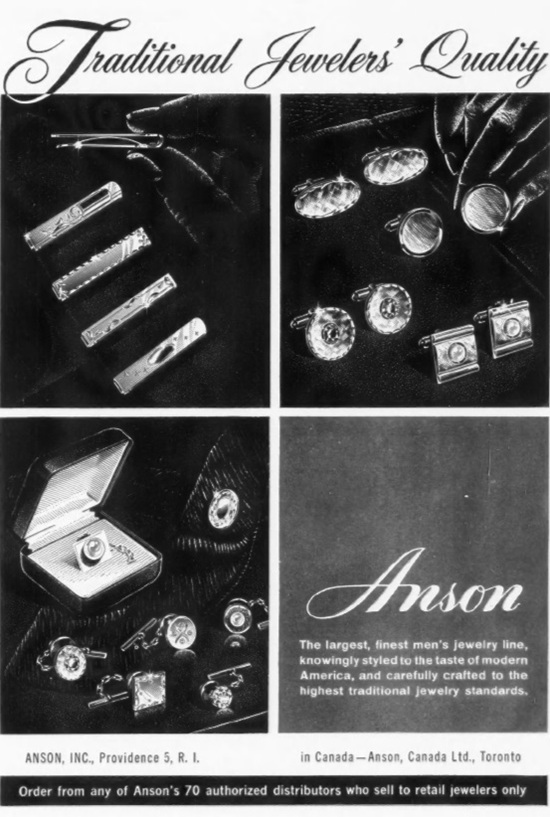
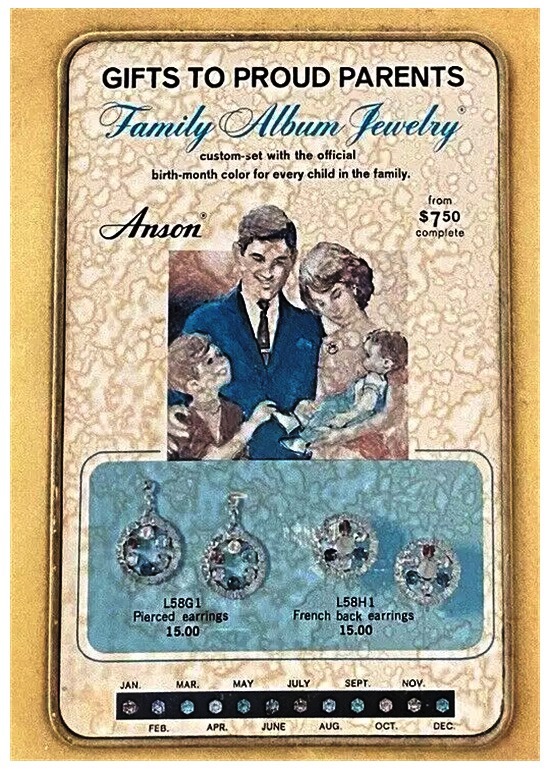
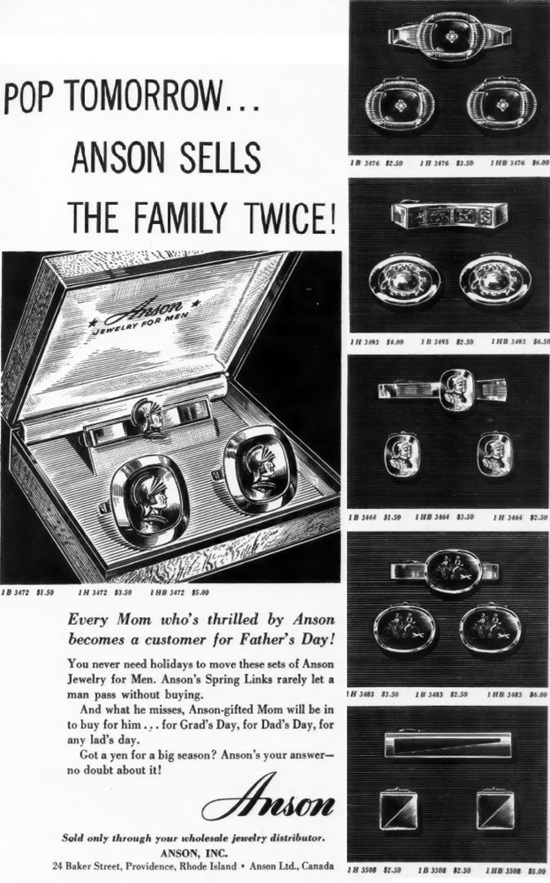
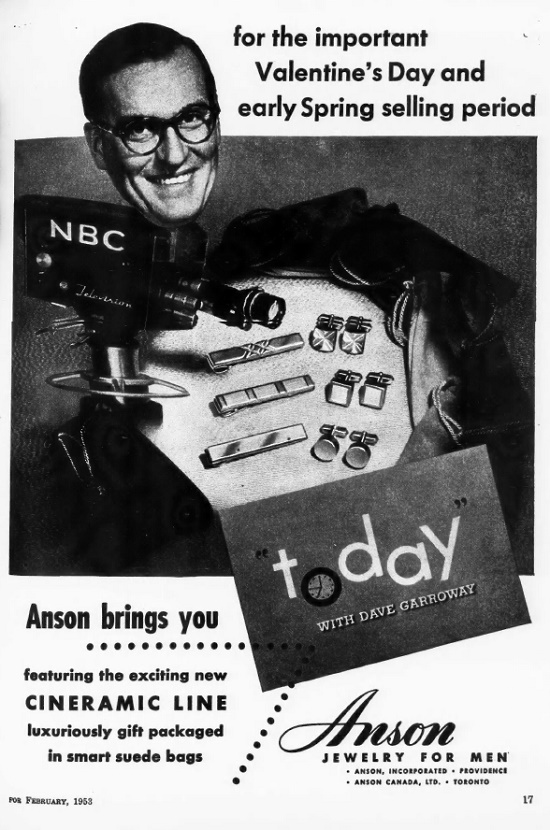
Noteworthy, Anson widely advertised its products in fashion magazines, including the Jewelers’ Circular Keystone. According to 1958 Jewelers’ Circular Keystone, Anson firm had three plants and employed 590 people. In addition to jewelry, Anson made millions of steel boxes covered with leather, not only for its own use but for sale to other firms as well.
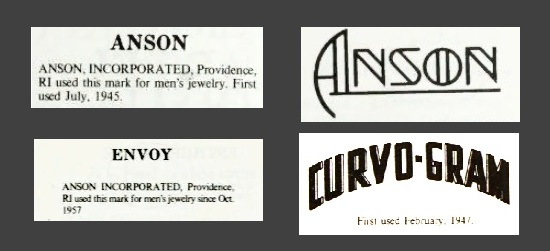
Trademarks
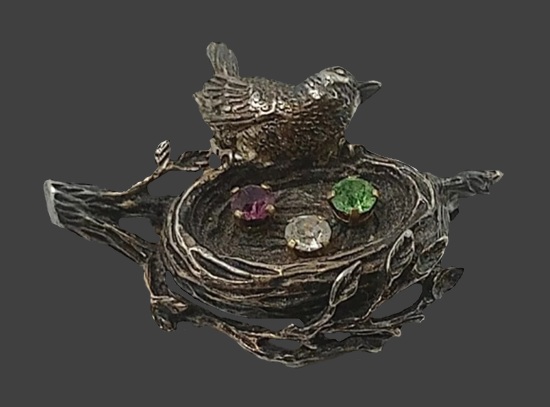
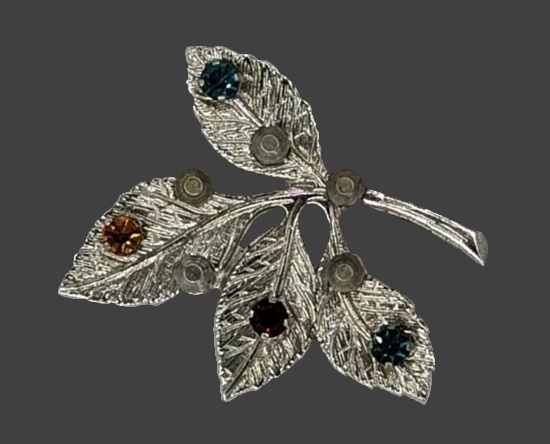
In 1968 Anson expanded manufacture by adding women’s and family jewelry lines. Among the trademarks launched by Anson were Curvo-gram, Glider, Golden Weave, Grip Clip, Karatclad, Kuff Loop, Midg-ette, Nife Slide, Pin-ettes, Sir!, and Tri-Slide.
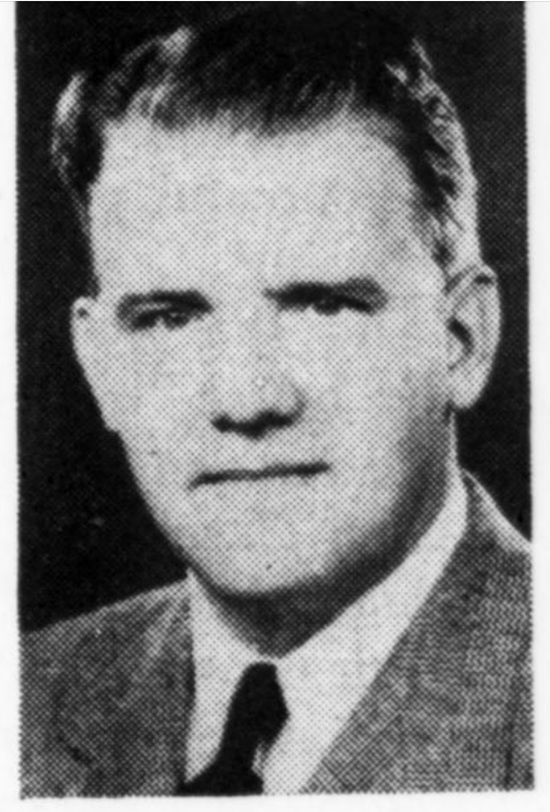
Olof Anderson’s death in 1972 marked the beginning of the company’s decline, which led to bankruptcy and its sale in the 1980s.
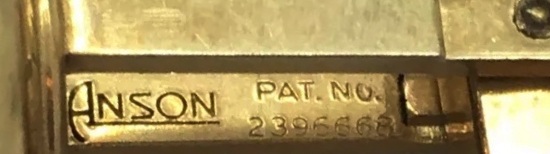
Jewelry and ads