Deltah Jewelry Brand History

Born in the Russian Empire, 20-year-old Samuel Heller came to the United States in 1888. A talented gemologist, inventor, and jeweler, Samuel studied the properties of stones in his Deltah laboratory. Having taken up the business of buying and selling precious stones, he founded L. Heller & Son, Inc in 1892.
The company became known for its Cultique cultured pearls, a product of Deltah laboratories that had the precious appearance of cultured pearls. Protected by a patent, Cultique pearls attracted women who wanted the beauty and perfection of cultured pearls at a significantly lower price.


In 1928, Maurice J. Karpeles, manufacturer of ecclesiastical jewelry and proprietor of the famous La Tausca trademark sold the business to L Heller & Son, Inc.
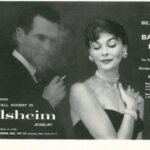
Delta’s pearl necklaces and earrings became a hit thanks to an extensive advertising campaign that included Hollywood actresses. Deltah pearls graced the pages of famous fashion magazines, as well as “Bert Parks Bandstand Show”; also American Weekly and Seventeen.

Even before Samuel Heller’s death in 1937, the corporation went through business splits, mergers, and ownership changes, as well as the registration of new trademarks.

In the early 1950s, L Heller & Son and Sperry Mfg Co of Providence, costume jewelry manufacturer, joined forces to form a new company known as Heller Sperry, Inc.

Heller Sperry, Inc

Heller Sperry, Inc. continued to produce two lines of cultured and simulated pearl jewelry known under the brand names La Tausca and Deltah, as well as Sperry, Sperry and Tara, and Mr. Tara for men. However, in the 1960s Heller-Sperry sold the Deltah brand to Tevia, Gilbert, and Elliott Sachs in the 1960s.


Deltah Jewelry and ads