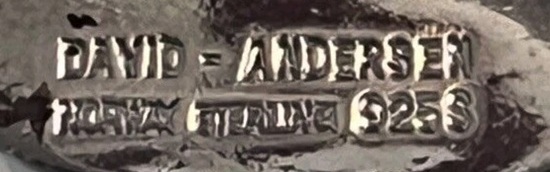
David-Andersen Enameled Silver Jewelry
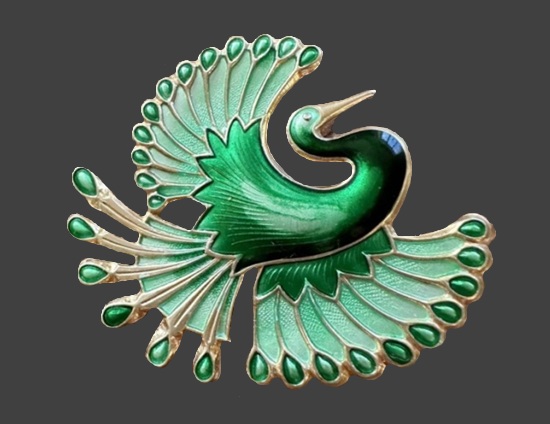
The iconic Norwegian jewelry brand, David Andersen is also the name of the founder of a silver manufacturing company known since 1876. Andersen studied jewelry making with a well-known Norwegian goldsmith Jacob Ulrich Holfeldt Tostrup (1806 – 1890).
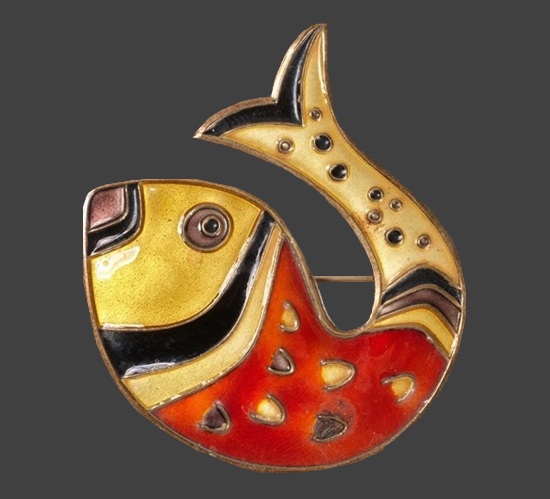
The earliest mention of David Andersen (1843 – 1901) in the Jewelers’ Circular dates back to June 21, 1893. According to the publication, the most conspicuous feature of his jewelry was in the line of transparent enamels. Andersen had in his display great many silver articles decorated in remarkably beautiful vari-colored plique-a-jour enamels.

The Norwegian contribution to this ancient art was the use of transparent instead of opaque enamel. Transparent enamel allowed the beauty of the silver underneath to be revealed. Sometimes craftsmen combined this enamel with gilding on the silver. Often the enamel revealed intricate engravings on the surface of the silver.
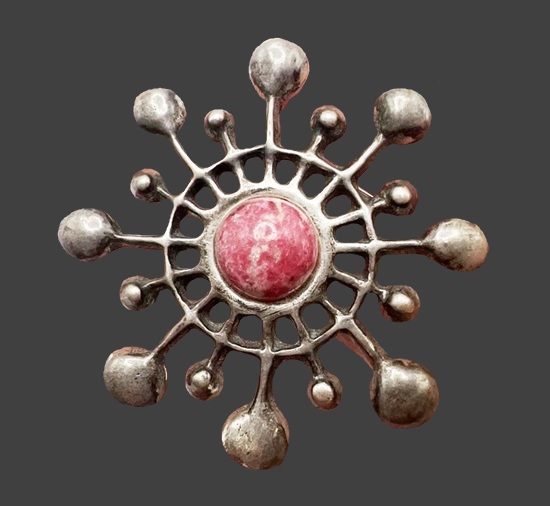
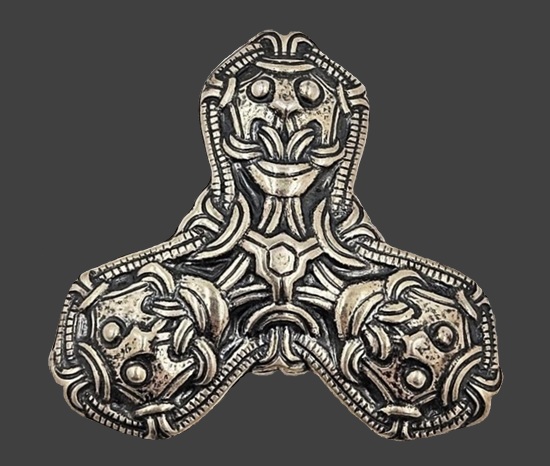
Exhibited in the USA after the death of David Andersen in the early 1900s, his works amazed lovers and connoisseurs of jewelry art. They demonstrated the modern spirit and modern technique, and unique beauty. He was fond of taking motifs from the legendary lore of his fatherland.
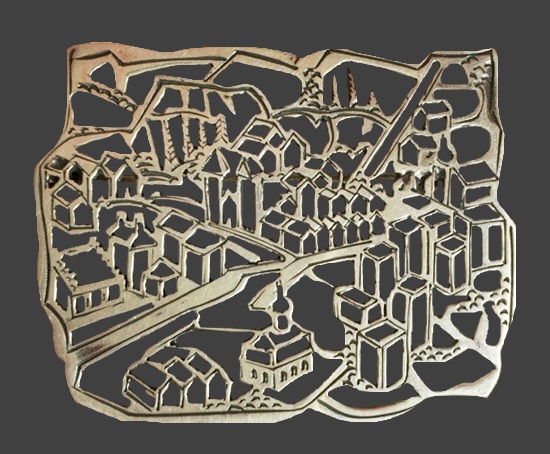
After David Andersen’s premature death in 1901, his son Arthur David-Andersen (1875 – 1970) took over the company. He changed the name of the company slightly, using a hyphen – David-Andersen. As chief designer, he introduced enameling to gold and silver jewelry, as well as tableware. In July 1950, the first United States International Trade Fair took place in Chicago. There, the new line of enameled David-Andersen jewelry was a great success.
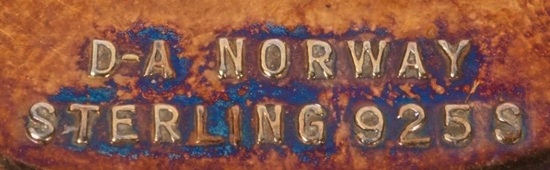
David-Andersen Enameled Silver Jewelry
Arthur Andersen retired in 1952, and his son Ivar David-Andersen (1903 – 1998) became president of David-Andersen Silversmiths. Introduced to the press at Norway House in New York City on October 27, 1959, he presented an extensive collection of sterling tableware, faience, and jewelry.

In June 1961, David-Andersen appointed Norwegian Silver Corp., 290 Madison Ave., New York, sole U. S. representative for their enameled sterling silver jewelry, pewter and flatware lines. Over the next few years, the company opened stores in other US states.

Noteworthy, the company collaborated with the most famous designers, enamellers and jewellers of that period. For example, Nora Gulbrandsen (1894-1978), prominent Norwegian porcelain designer. She handcrafted jewelry for David Andersen in 1950-1960s. Among other jewelry designers were Bjørn Sigurd Østern, Marianne Berg, Unn Tangerud, and more.