Iconic Jewelry Designer Hattie Carnegie

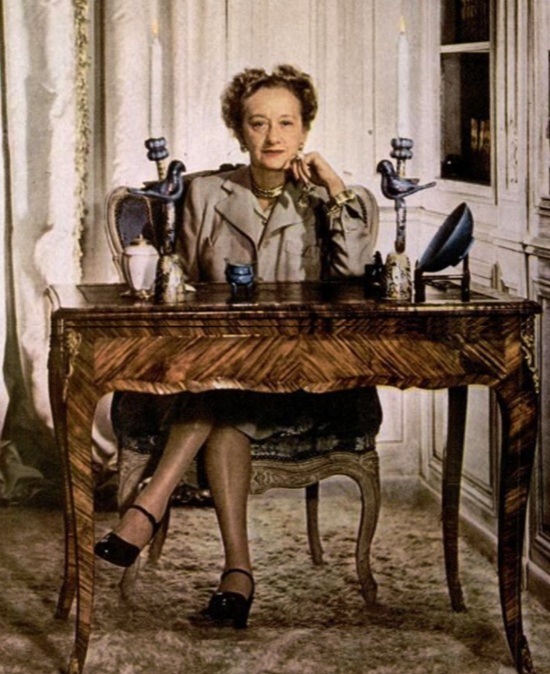
The biography of the iconic designer of the first half of the 20th century, Hattie Carnegie (1886 – 1956) is well known. Briefly, Hattie Carnegie (Henrietta Kanengeiser) was born in Vienna in 1886. Her family emigrated to the United States at the turn of the century. She rose from poverty to become the owner of a multimillion-dollar fortune and a fashion icon for half a century.
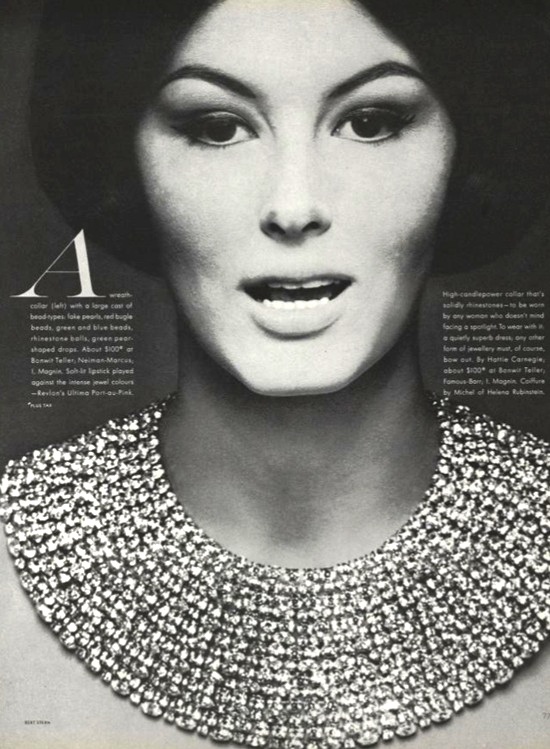
Hattie was as popular in the United States as Coco Chanel was in France. She released her first collection of costume jewelry in 1939, although she had been producing accessories for her clothing collections since 1918. Some of her jewelry, such as hat pins, even appeared on the pages of Vogue magazine in 1927.


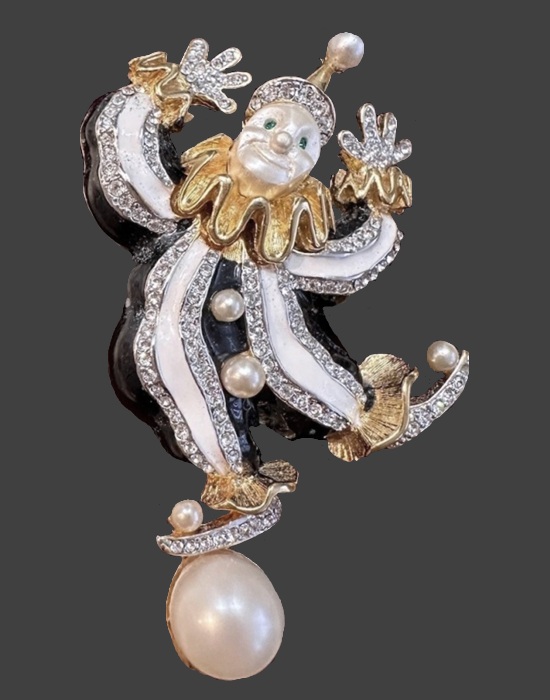
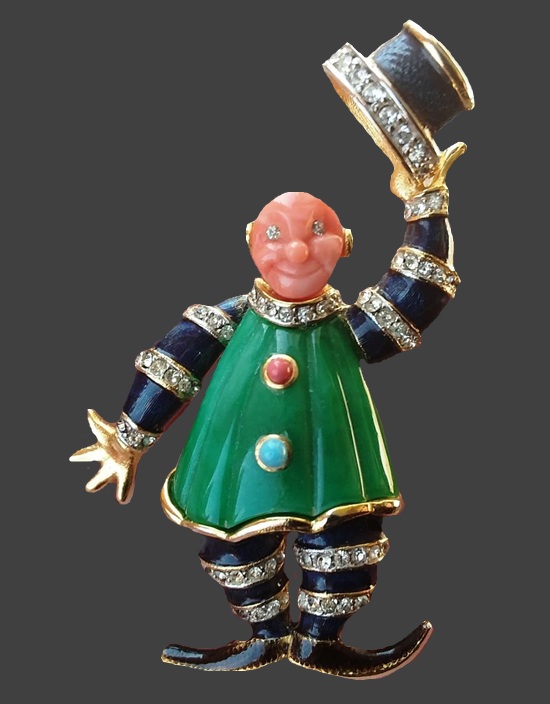
Yet, the first jewelry line made on Carnegie’s designs appeared only in 1939, and it immediately captivated fashionistas worldwide. The most popular were the figurative brooches with multicolored plastic or lucite inlays. Carnegie also used the finest crystals and art glass in her jewelry.

European traditions in jewelry designs
Carnegie never forgot Europe and visited leading European fashion houses on numerous occasions. Undoubtedly, she strived to embody the best of these traditions in her work. As a result, her jewelry exudes French charm, sophistication, and good taste.
The success of her first costume jewelry collections was so overwhelming that jewelry production became her passion. However, increased demand for costume jewelry led to expansion of production and the involvement of other jewelry designers.

Collaborating with renowned jewelry designers
Among them were renowned fashion designers of the time, including Pauline Trigere, James Galanos, Ward Bennett, and Jean Louis. After Carnegie’s death, in the early 1960s, Kenneth Jay Lane created jewelry for the Carnegie fashion house.
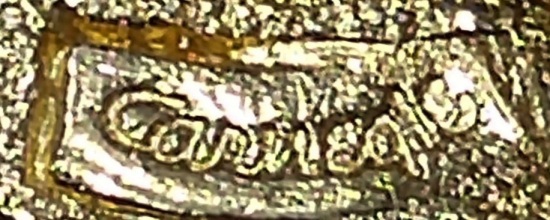
Carnegie died in 1956, but the company continued to create jewelry labeled “Hattie Carnegie,” “Carnegie,” or “HC” for another two decades.

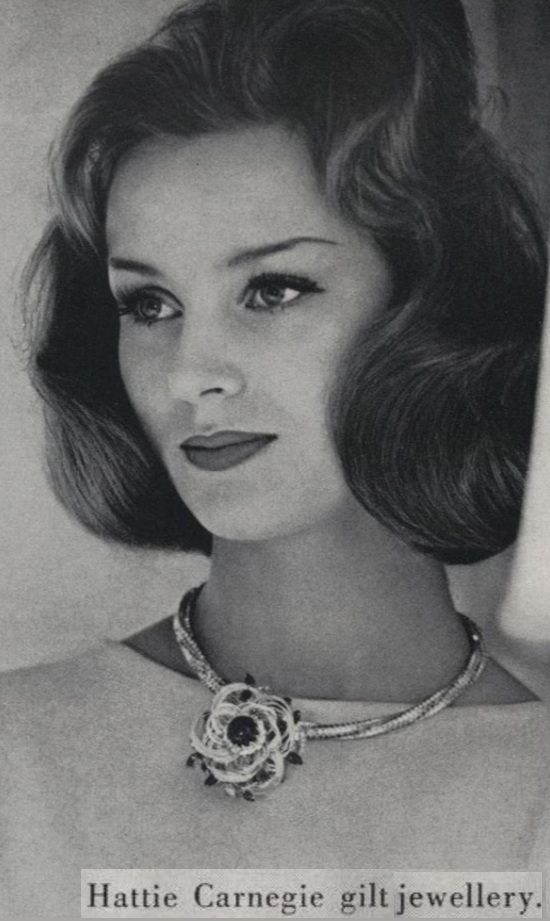
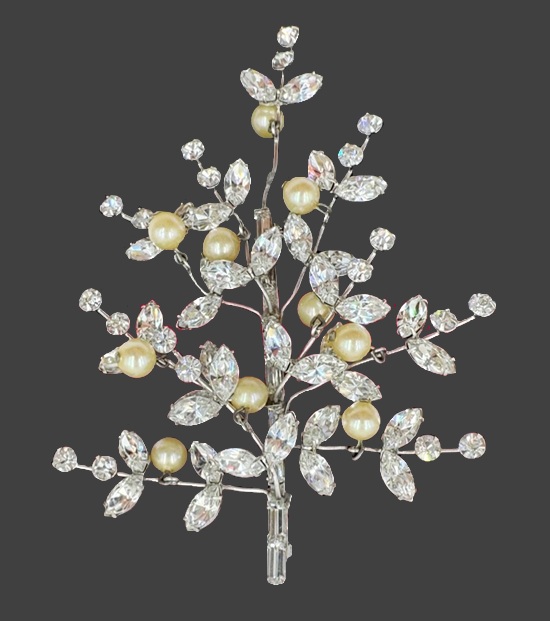
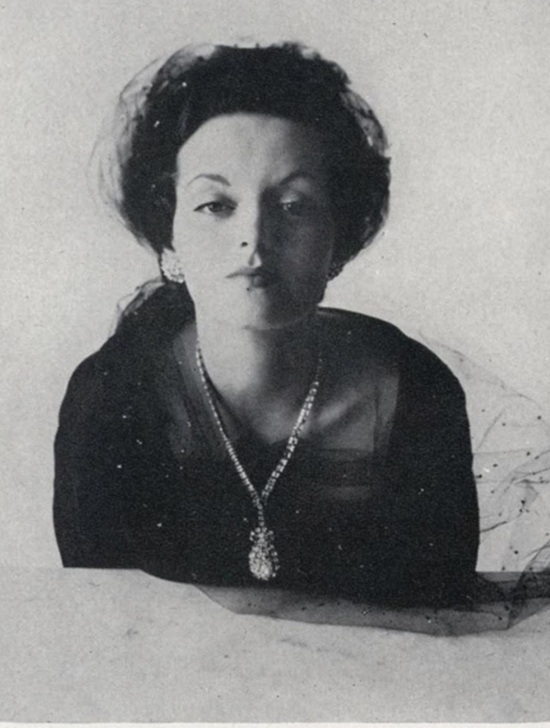
Ads and jewelry by Hattie Carnegie