J.R. Wood & Sons Jewelry Company History
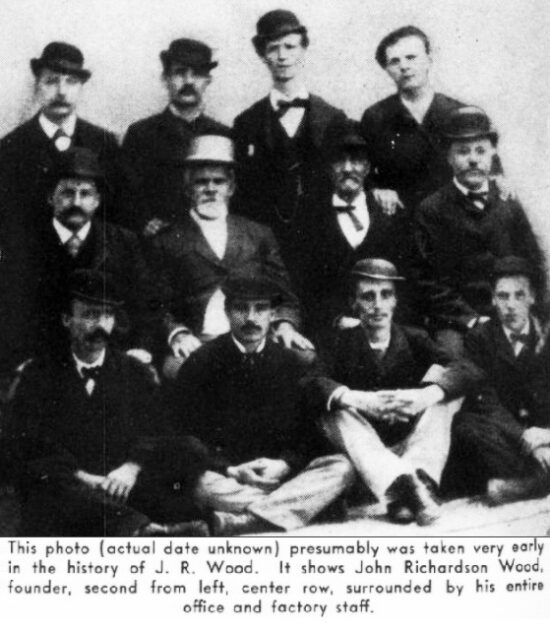
The history of what was once the world’s largest American ring manufacturer began in Brooklyn, with just one chair and one table, and no equipment. Its founder, John Richardson Wood, with the help of a few workers, began producing simple gold rings daily in 1850.
Born in Rumford, Maine, John Richardson Wood came to Brooklyn at the age of 21 and found work for a ring maker named Douglass, then working on Gold Street in Manhattan. After mastering craft, John Wood opened his own small workshop four years later on the corner of Fulton Street and Schenectady Avenue in Brooklyn.
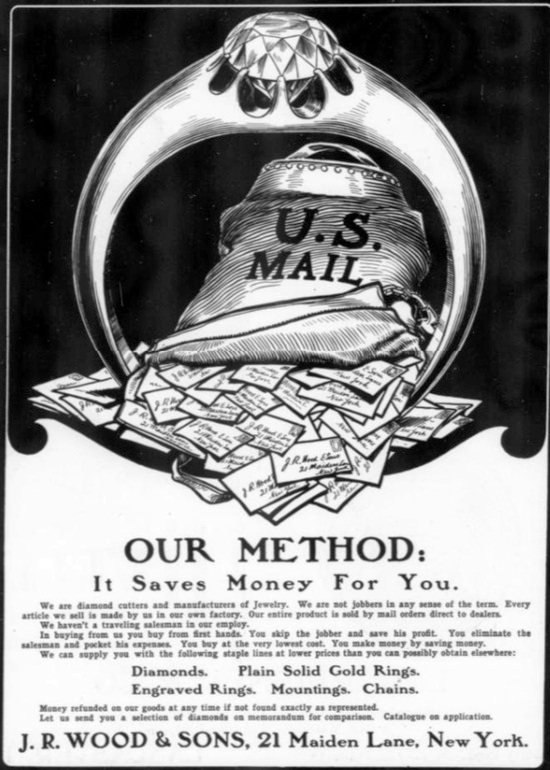
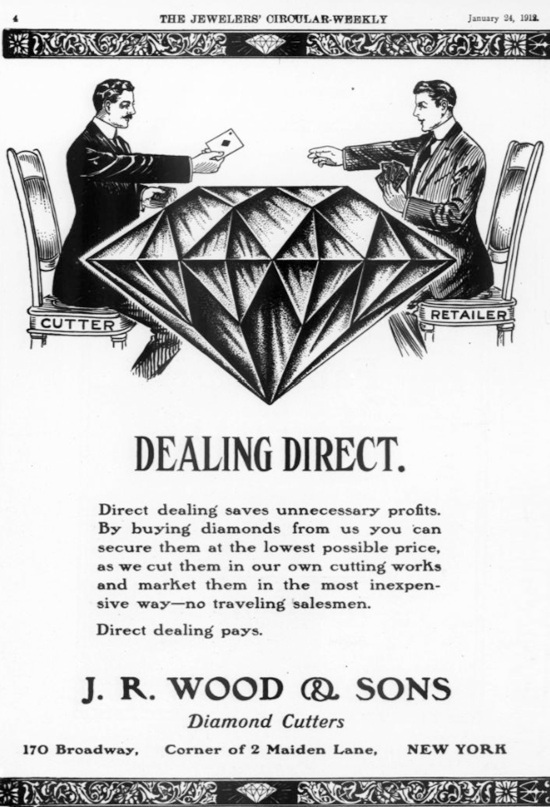
In those early years, John Wood didn’t rely on salespeople, and he didn’t even have catalogs. He relied on personal letters, and his own growing reputation for honesty proved his best sales tool. For over thirty years, he worked directly and exclusively with wholesalers.
Having established a large factory on Atlantic Avenue in Brooklyn, he began selling to retailers, relying almost entirely on mail order. In fact, until 1920, customers contacted the New York office, which opened at 14 John Street and later moved to 21 Maiden Lane.
John Richardson Wood and his sons
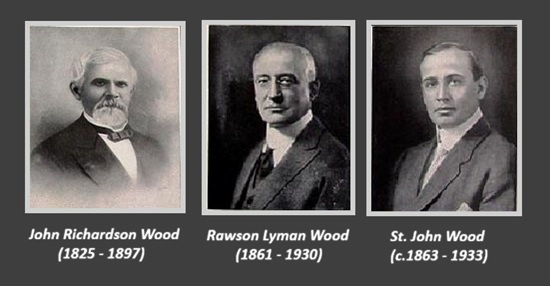
As the business expanded, John Richardson Wood turned to his three sons for assistance. In the early 1870s, he brought his son, Rawson Wood, into the business, making him a partner in 1882, when the firm became JR Wood & Son.
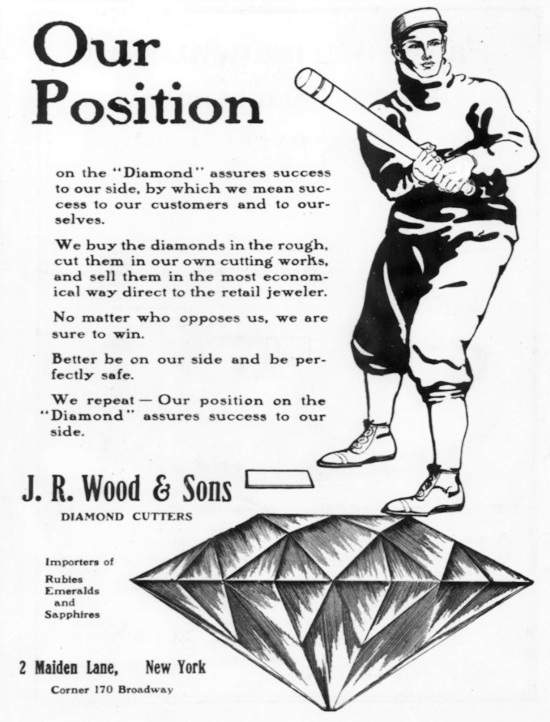
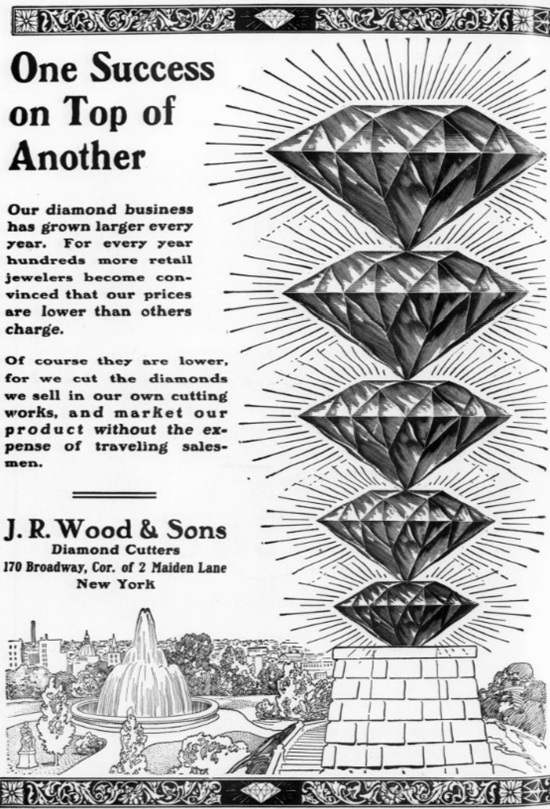
Around 1895, significant changes began to occur at the Wood factory in Brooklyn. Designers began to focus increasingly on diamonds. The new generation of Woods – Rawson, St. John, and Henry consistently saw diamonds as an important tool for promoting the company’s entire product line.
Rawson Lyman Wood
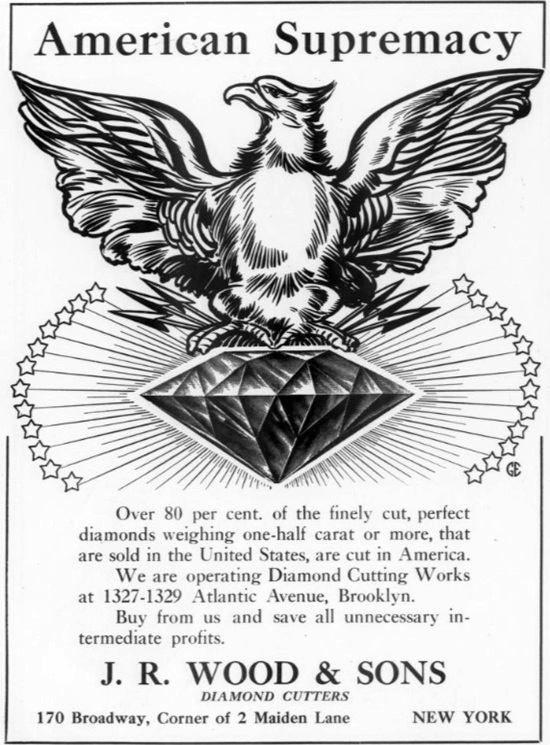
Therefore, in 1896, a new building was added to the factory, dedicated entirely to diamond cutting. For a time, it was considered the largest in the United States.
Soon after Rawson Lyman Wood took a job at Wood’s factory, he began exploring the possibilities of steam power. Under Rawson Wood’s direction, the power was experimentally applied to rolling rollers used for smoothing gold.
St John Wood
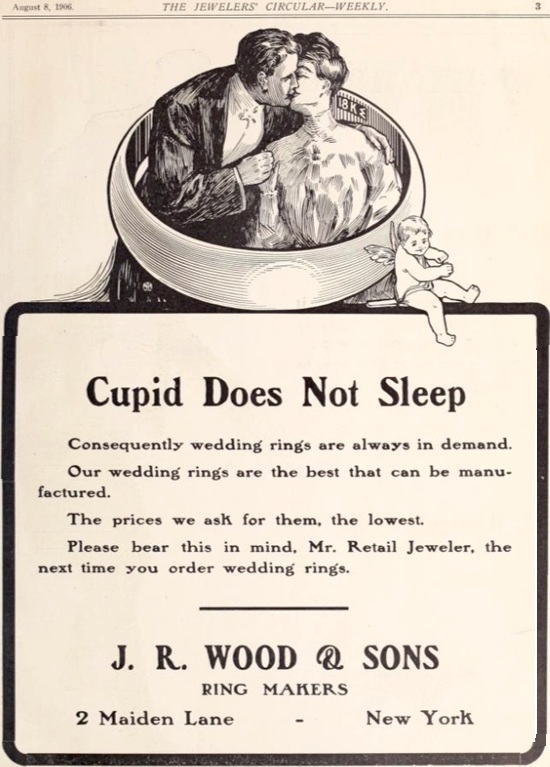
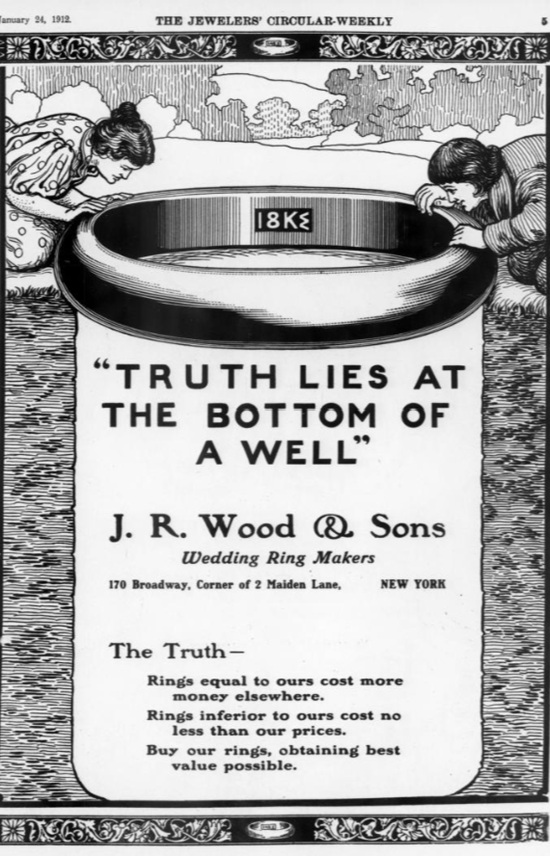
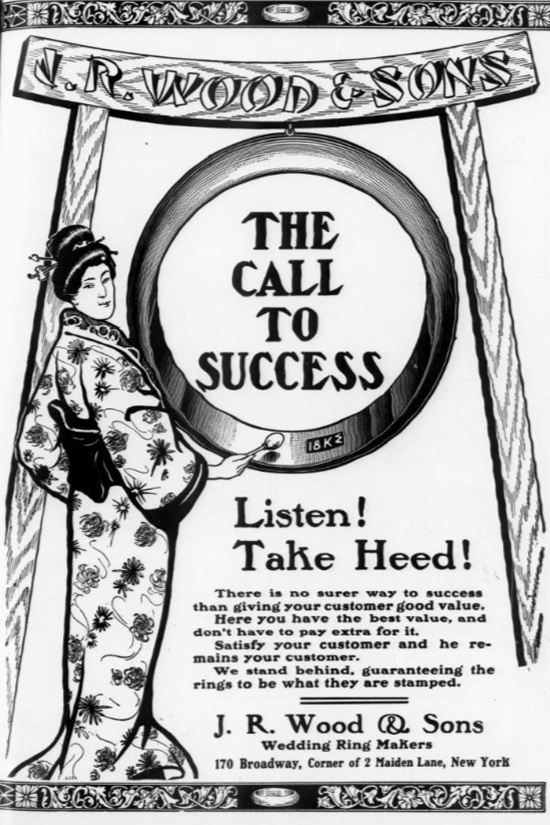
When his second son, St John joined the company in 1889, the name was changed to JR Wood & Sons. St John showed particular interest in using steam power to produce seamless wedding rings. He experimented with a machine specifically designed for this purpose, but died before it was fully developed.
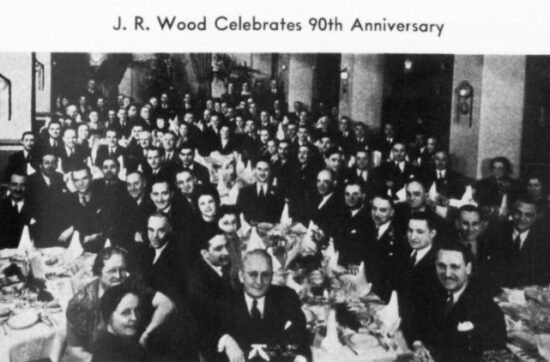
New president W Waters Schwab
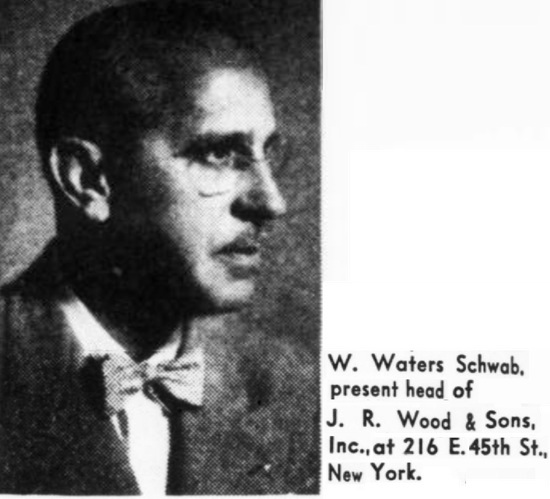
In December 1933, the board of directors of J R Wood & Sons elected W. Waters Schwab as president, he succeeded the late St John Wood. Rawson L Wood Jr, grandson of the founder, continued as vice-president and secretary, and Arthur Hoppe became treasurer.
Schwab had been actively engaged in the jewelry business for the previous 17 years and had played an important role in most of the major operations of the trade. He was the president of the Congress of Precious Jewelry Producers Inc.
Henry Wood
The youngest son of John Wood, Henry Wood, assumed management of the factory. Under his direction, the ring-making machine was perfected and put into operation. This period marked the beginning of large-scale ring production in the United States.
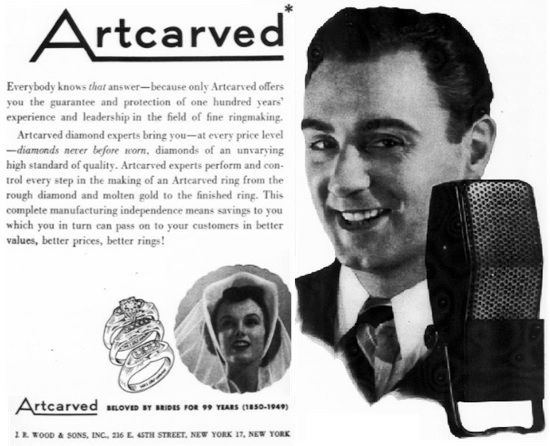
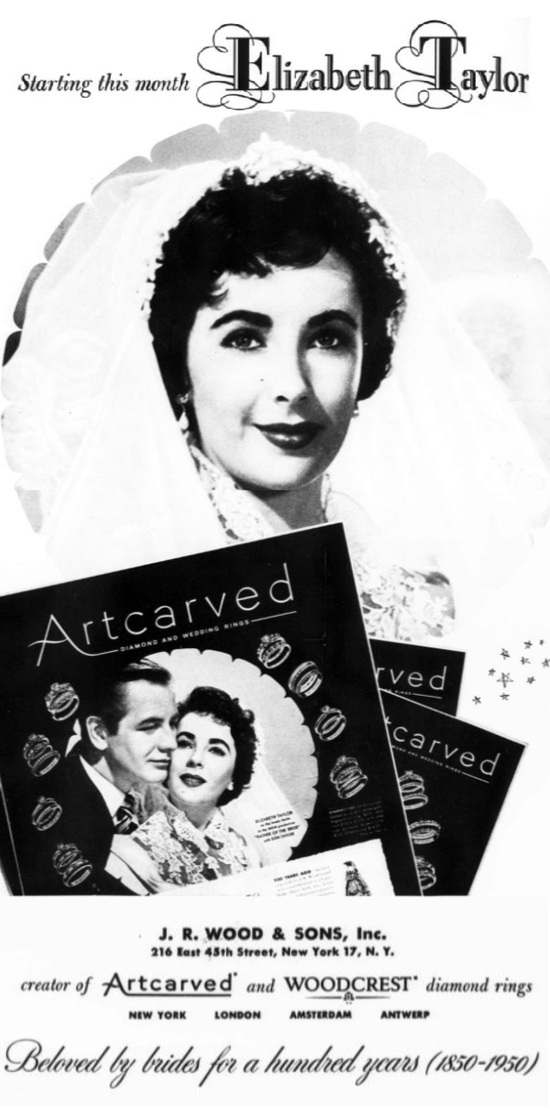
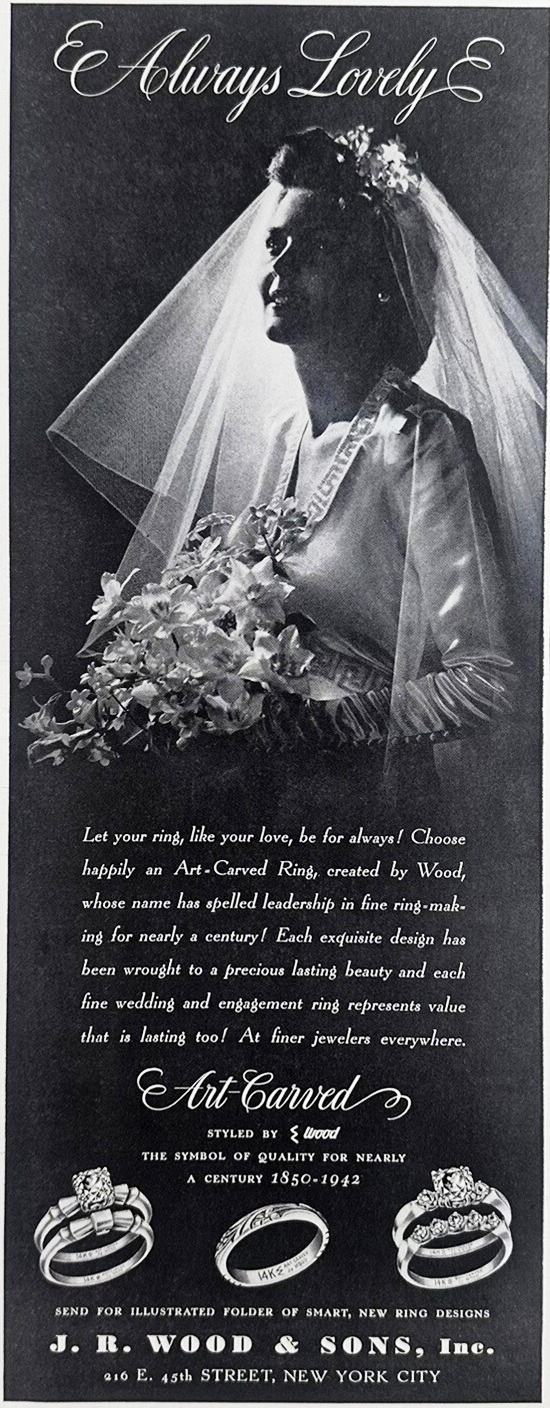
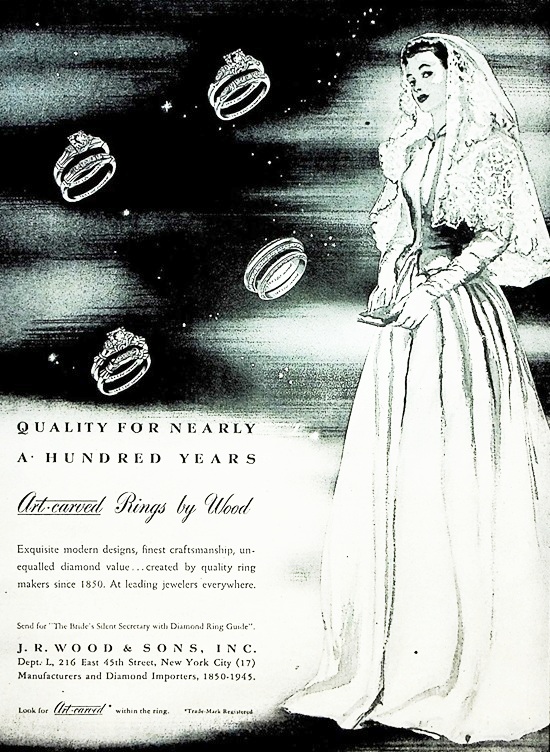
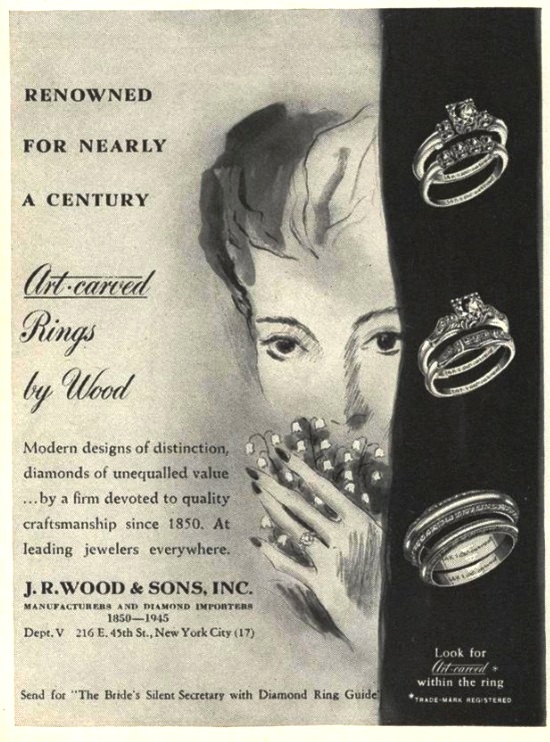
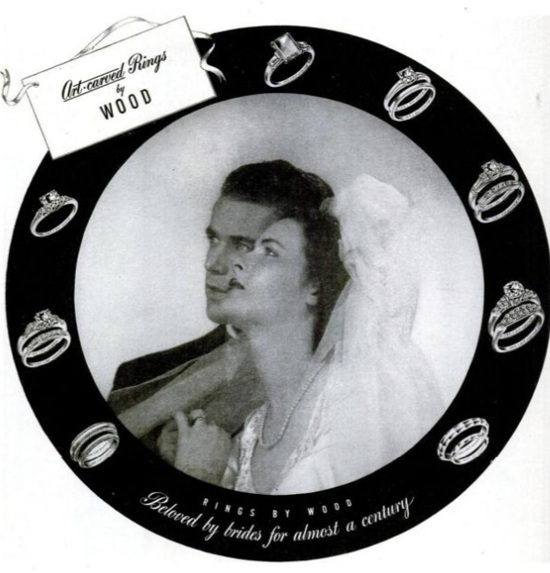
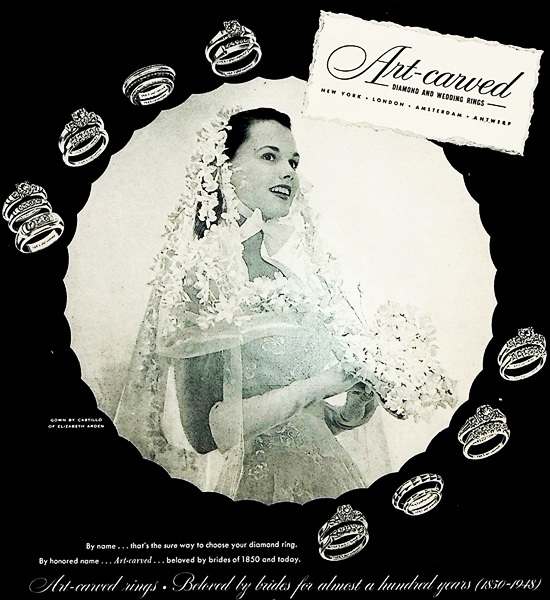
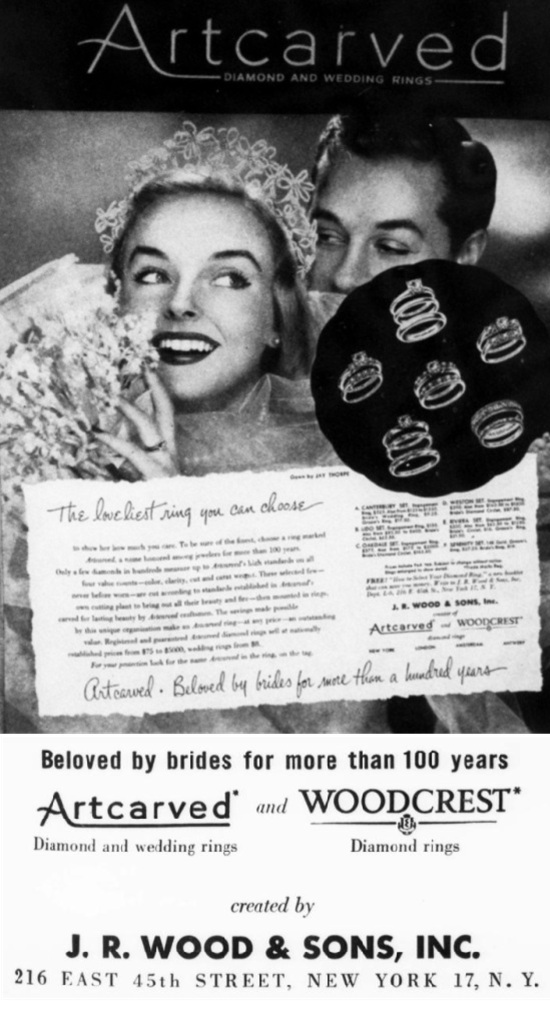
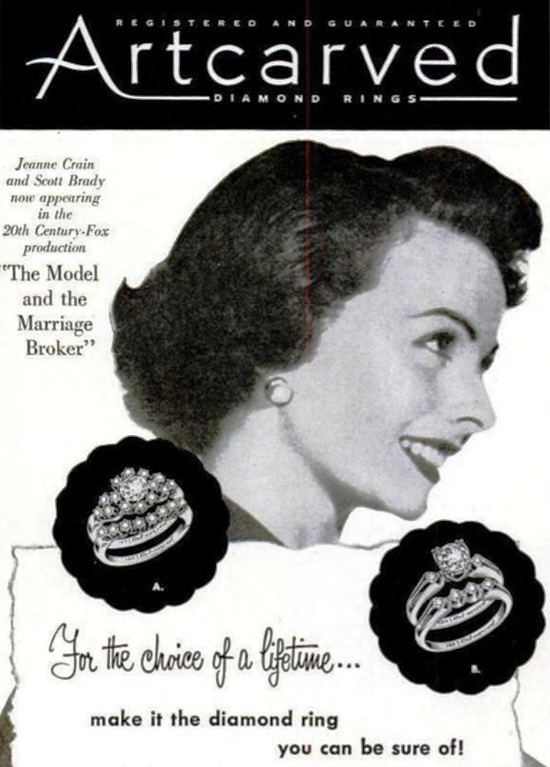
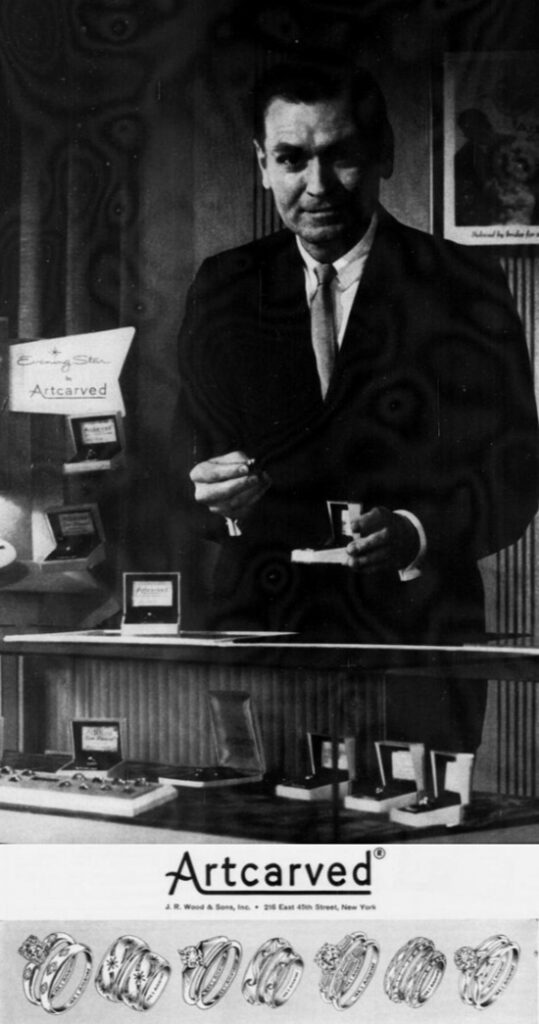
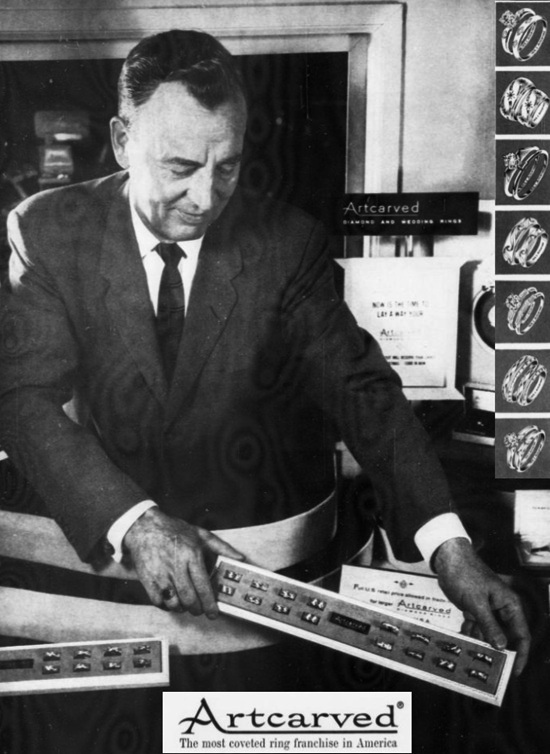
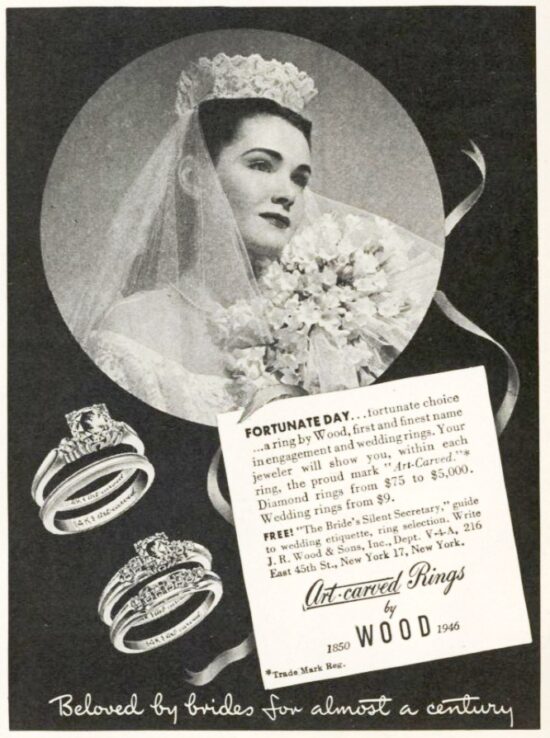
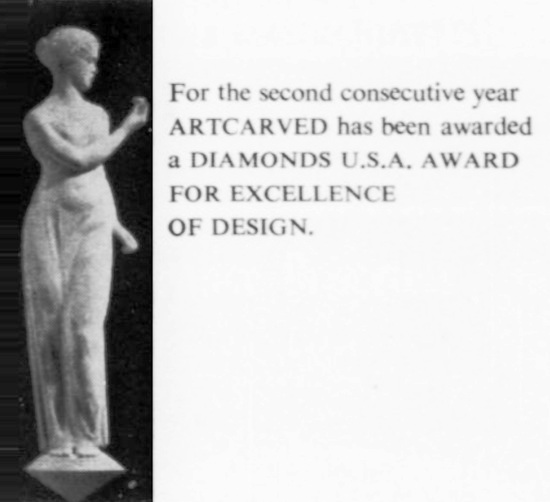
In the 1940s, J R Wood & Sons became known throughout the jewelry world for its Artcarved brand. The company produced thousands of rings per month, featuring hundreds of different designs in gold and platinum, with and without diamonds. However, this gigantic company still resembled a small office factory from 1850, with artisans crafting rings by hand.
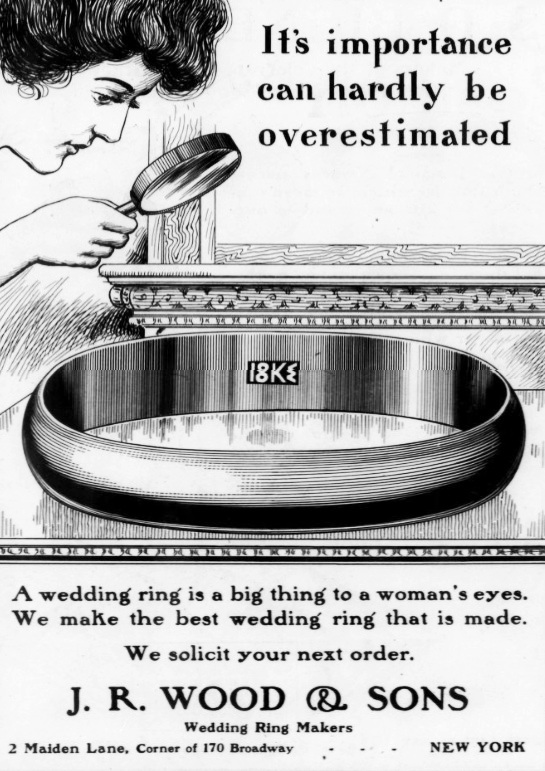
In John Richardson Wood’s time, virtually every ring-making operation—melting, rolling gold into strips, cutting the strips, shaping, hammering into rings, soldering, and polishing—was done by hand. A century later, despite the obvious need for machine tools, Wood’s firm placed considerable emphasis on hand-chasing and engraving its rings.
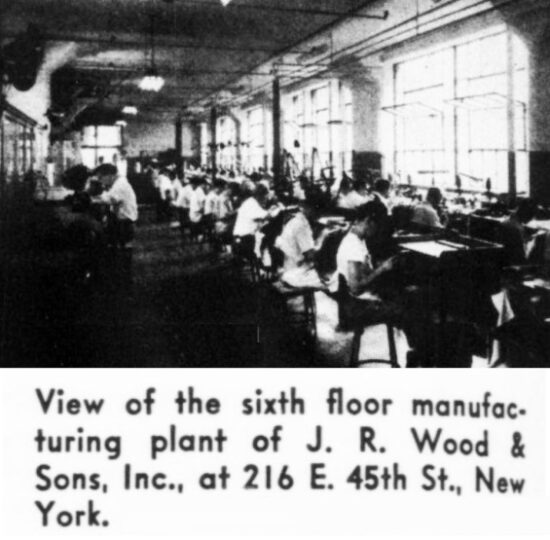
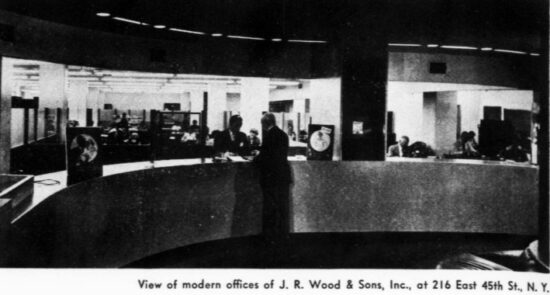
A hundred years later, Wood’s factory had grown into one of the largest ring manufacturers in the world. Its executive offices and main production facility occupied two vast floors of a downtown Manhattan office tower. They added a diamond cutting factory in Amsterdam, offices in Antwerp and London, and twenty regional offices across the United States.
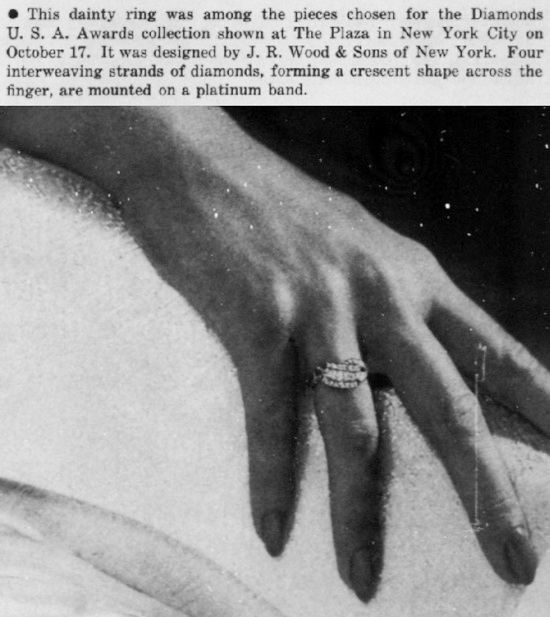
In the 1950s, the company specialized primarily in engagement and wedding rings. Particular attention was constantly paid to the development of new designs. The company’s archive contained up to 500 such designs at any one time.
After 125 years of successful operation, Art-Carved, Inc, previously known as J R Wood & Sons, merged with Lenox corporation of Trenton, New Jersey.