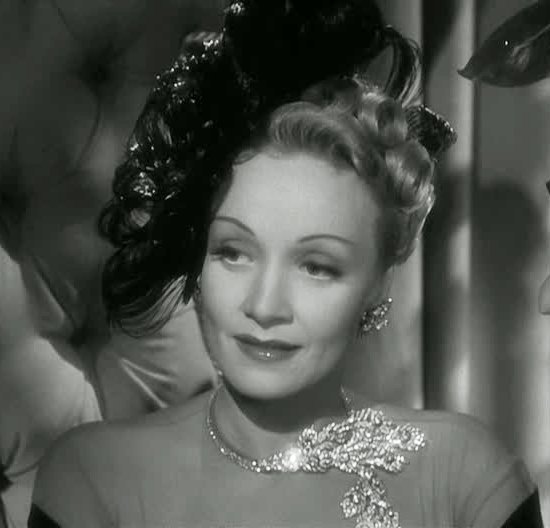
New York jeweler Paul Flato

Few jewelers could boast of connections with influential people from faraway India and queens of major powers, but that is precisely the privilege that fell to Paul Flato, who lived at 1 E 57th Street. Perhaps no other jeweler has risen so high and fallen so low under the blows of fate.
Paul Edmund Flato (1900 – 1999) graduated from the University of his native Texas and moved to New York City in 1922. Having started his business as a watch and jewelry seller and having earned his initial capital, he soon opened a small jewelry shop at One East 57th Street.

The business of Flato was incorporated at Albany, N. Y., in November 1924 by J. and F. R. Larkin, and G. N. W. McNaughton. The business was capitalized with 2,000 shares preferred stock worth $10 each and 500 common no par value.
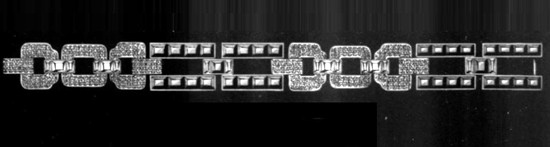
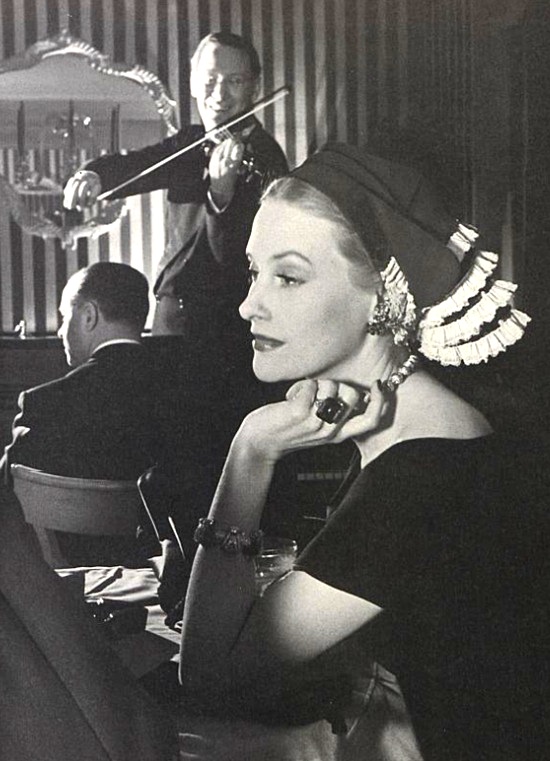
Flato easily established connections with the most famous and influential people of his time, and they became his close friends and then loyal clients. He had a turbulent personal life and loved hosting charity events, dinners, and balls. Soon, Hollywood stars were ordering brooches, necklaces, bracelets, cigarette cases, and cufflinks from Flato.
Real jewelry for the millionaire family in the “Holiday”, 1938
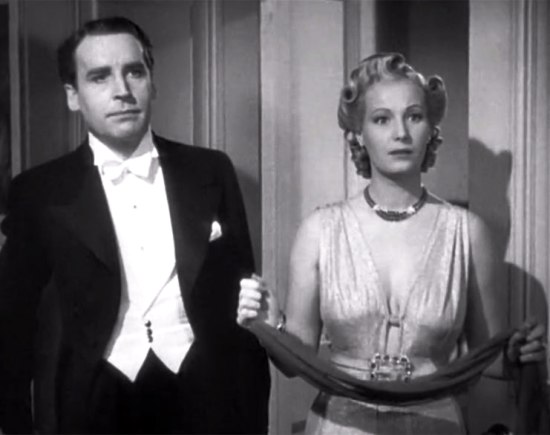
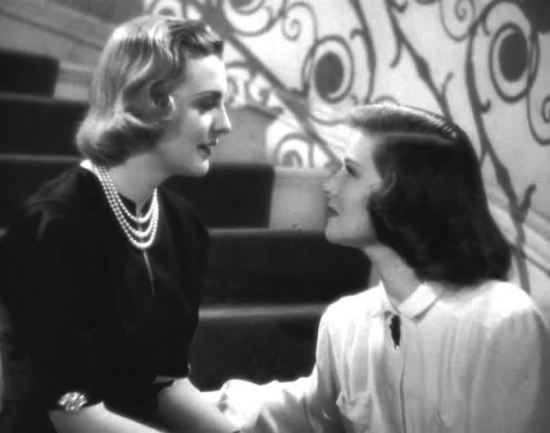
Katharine Hepburn, Doris Nolin, and Binnie Barnes wore his jewelry in Columbia’s picturization of Philip Barry’s play hit, “Holiday.” Director George Cukor insisted on authenticity in every detail of his pictures, and refused to allow imitation jewellery.
Hollywood Jeweler

According to 1938 press, Paul Flato, considered the world’s greatest jewel designer, made more than $800,000 worth of real jewelry. Guarded in an especially-built electric burglar-proof vault by several detectives, the jewels represented the most valuable assortment ever used in a picture.
Unlike other famous jewelers, Flato designed for the individual temperament of his client. Among the priceless articles created for Hepburn were a rare necklace of little jewelled hands, which spelled in deaf-and-dumb language the name of the star. Jeweled flower pins of rare stones, jewelled brooches, pins, and clasps made in the signs of the Zodiac.
All lavalieres and bracelets contained hundreds of square-cut diamonds. Similar rings, bracelets and necklaces of unusual design suited the blonde beauty and personality of Miss Nolan and Miss Barnes.
Men’s jewelry
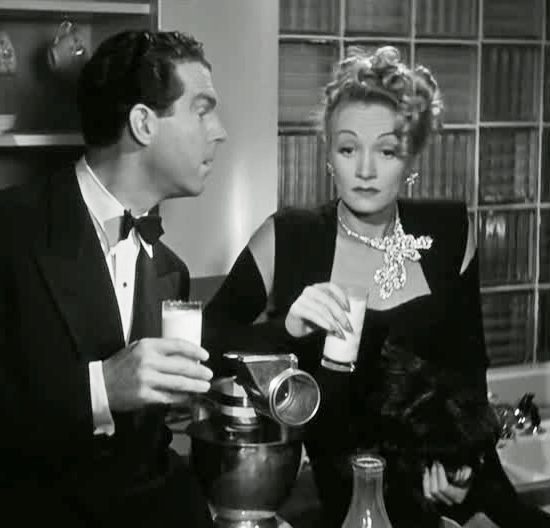
Flato also designed men’s jewelry worn by Cary Grant, Lew Ayres, Henry Kolker, and Henry Daniell. For Lew Ayres, he created a set of cufflinks similar to those he designed for director Cukor—gold and platinum bolts and nuts that screwed on rather than fasten.
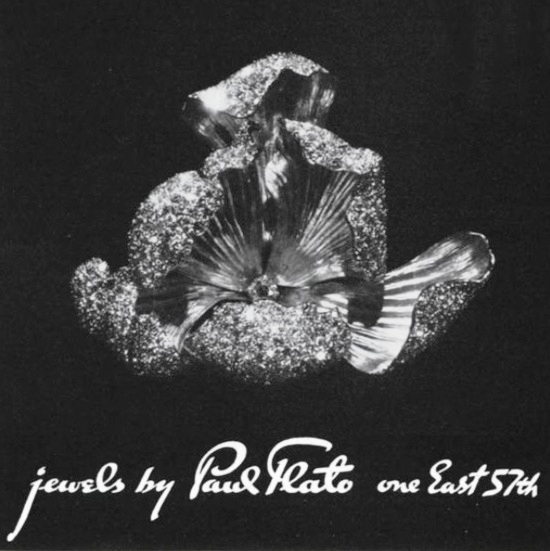
Flato’s Store Robbery in Hollywood
On September 30, 1941, robbers stole $50,000 worth of jewelry from Flato’s Hollywood store at 8637 Sunset Boulevard in Los Angeles. The robbers tied up four men and three women who worked at the exclusive jewelry store. They ransacked a steel vault and made off with at least $50,000 worth of jewelry.
Remarkably, the bandits’ primary target was the jewelry, estimated to be worth half a million dollars. Shortly before the robbery, armed guards had delivered the most valuable pieces to Columbia Studios for the filming of a movie starring Marlene Dietrich. A couple of days earlier, a valuable diamond necklace loaned to Greta Garbo for another film had been returned to Flato’s New York store.
Nationally advertised jeweler
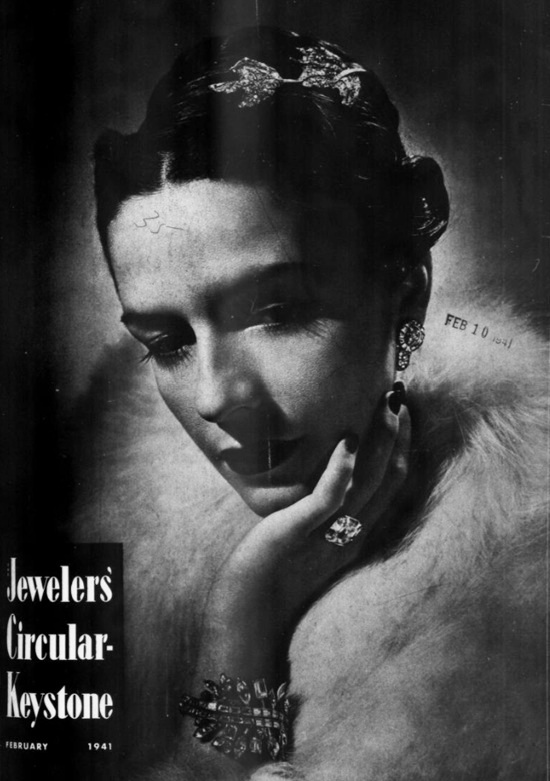
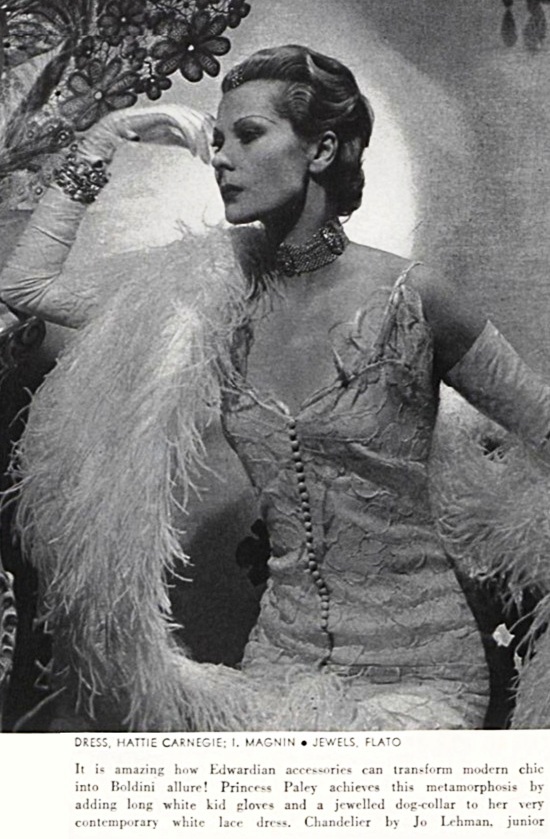
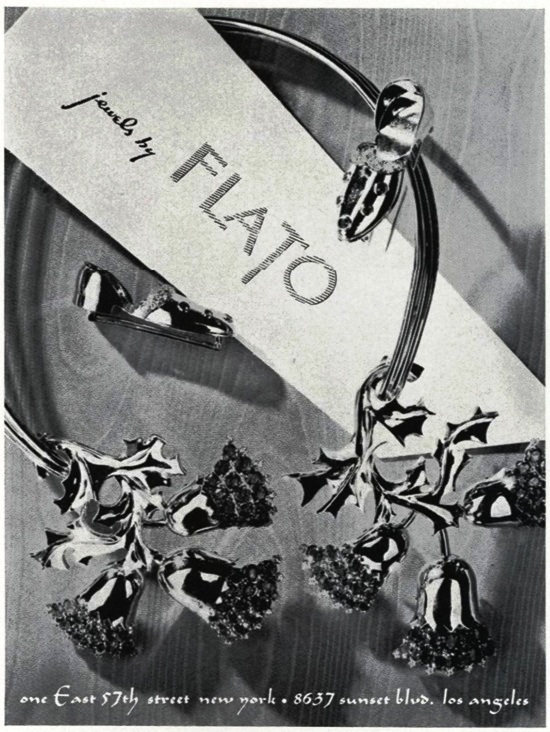
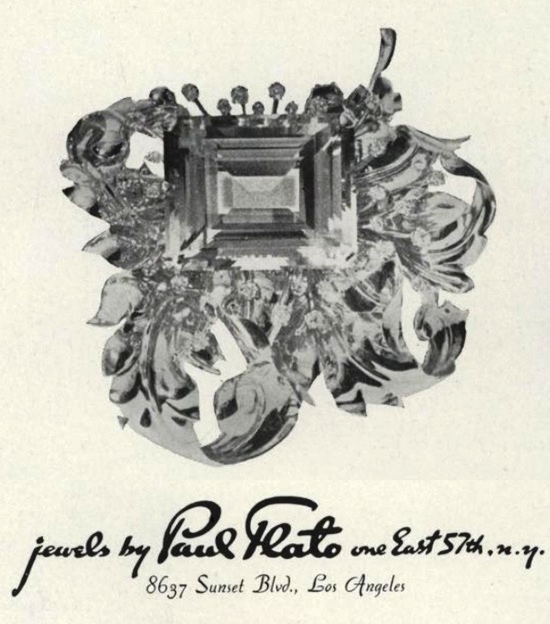
All the most famous fashion magazines of the time advertised Flato’s jewelry. Moreover, his pieces graced the covers of these magazins, including Jewelers’ Circular, in 1941 and 1943.
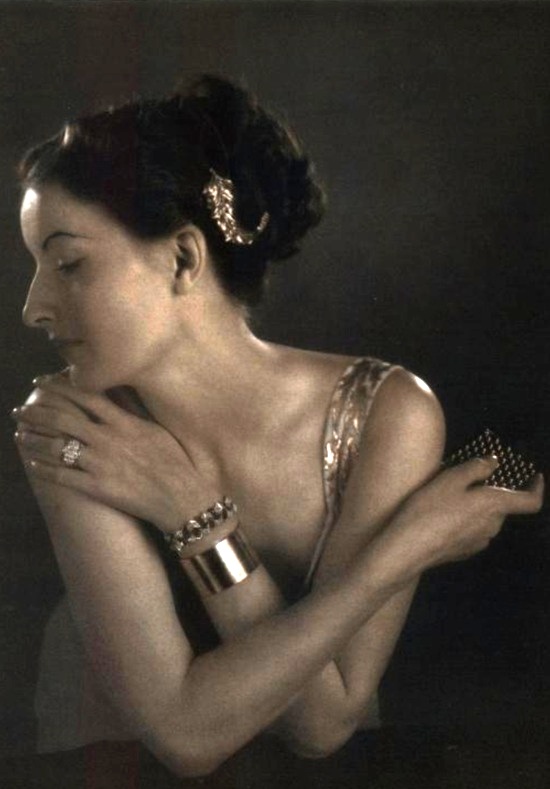
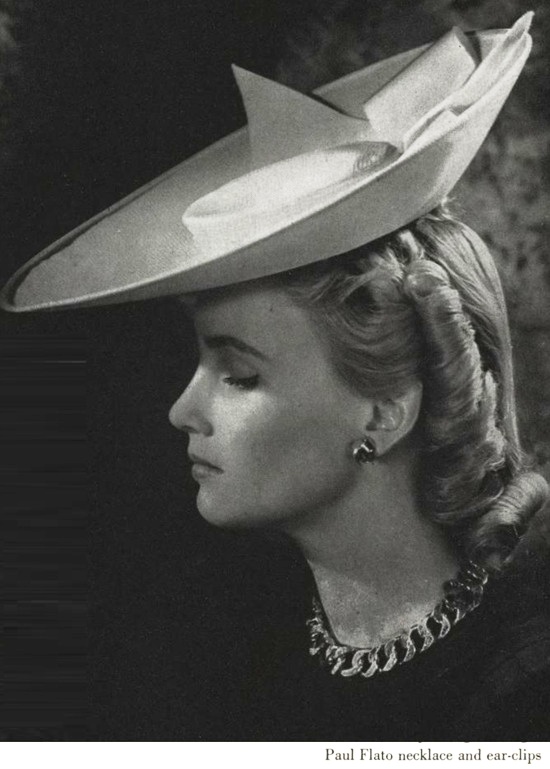
Diamond myrtle-leaf clips from Paul Flato accent a classic hairdress by Elizabeth Arden. The diamond bracelet, also from Paul Flato, suggests a Greek frieze.
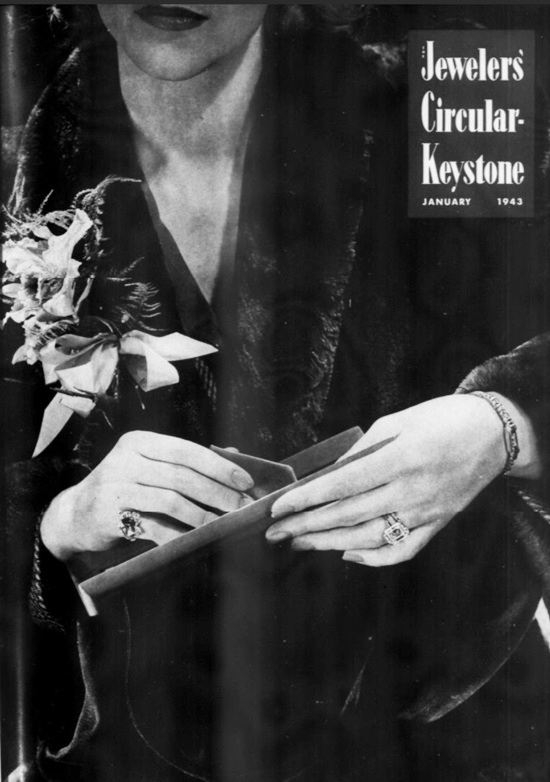
However, that same year, the name of Flato, a New York jewelry designer for high society and prominent figures in Europe and the United States, appeared in criminal reports. A regular at the best restaurants, a client of the most expensive clothing stores, and an organizer of extravagant parties, he did not want to limit himself in anything, and his expenses invariably exceeded his income.
On May 27, 1943, he was accused of pawning $125,000 worth of precious stones, which he had stored with other jewelers.
As a result, the defrauded business partners Roger Inc, John R Bares, L Bergman, Inc, and others filed several lawsuits against the jeweler. Finally, he was arrested, declared bankrupt, and brought to trial. His business at 1 E 57th Street was placed under the control of a creditors’ committee.

According to the Jeweler’s Circular, Paul Flato entered Sing Sing maximum-security prison for men on December 10, 1943. Flato had spent the previous month at the Tombs, New York City prison.
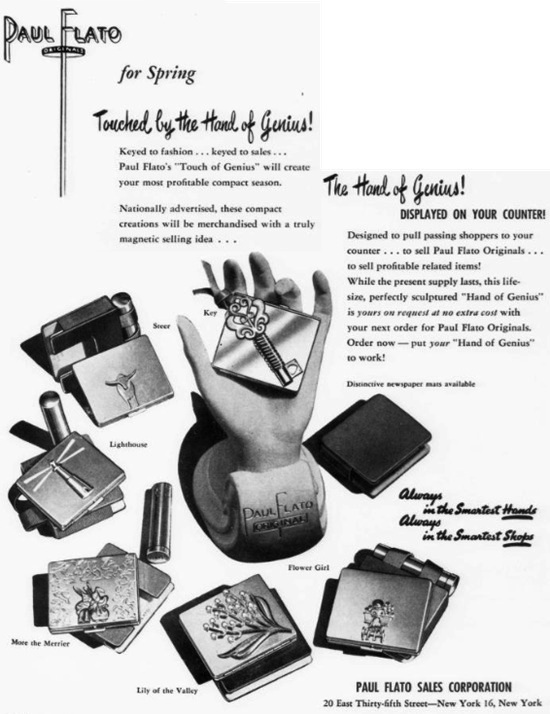
Flato left prison in 1945 with $21 in his pocket and $600,000 in debt. He soon rented a small space in Manhattan and created a small company producing folding mirrors, cosmetic bags, powder compacts, and other small items. He used metal instead of gold, rock crystal instead of diamonds, and art glass and colored enamel instead of emeralds and rubies.

In 1951, Paul Flato Sales Corp, located at 20 E. 35th Street in New York City, introduced a countertop display device. Working with a renowned New England sculptor, Flato designed and crafted a life-size woman’s hand, designed to hold a Flato compact and emphasize the slogan “Always in the Smartest Hands.”
National fashion magazines featured the hand holding compact. Noteworthy, Flato offered to retailers the hand at no extra charge with their first order of a new line of original Paul Flato products. This strikingly beautiful “Hand of Genius” attracted customers and boosted sales of not only Paul Flato compacts but also related products.

Things seemed to be going well, but Paul never learned to live within his means. He soon found himself in debt again and began using clients’ money again. Fearing further imprisonment, he fled to Latin America in 1952, but was arrested there at the request of the US government. He spent the next four years in The Palacio de Lecumberri, Mexico City’s central prison.
The years he spent in Palacio de Lecumberri were quite extraordinary. Against a backdrop of a weak Mexican currency, the American dollars sent by his relatives made him wealthy. This allowed him to devote himself to decorating his cell. He commissioned fine furniture and even decorated the walls with reproductions of Renoir.
Sometimes, his fellow prisoners would gather in his cell, sing to the guitar, and smoke cigars. This joyous life ended in March 1961, when Paul was extradited to the United States and returned to Sing Sing for five years.

In 1990, Flato retired and returned to his native Texas, where he died in a nursing home on July 17, 1999.