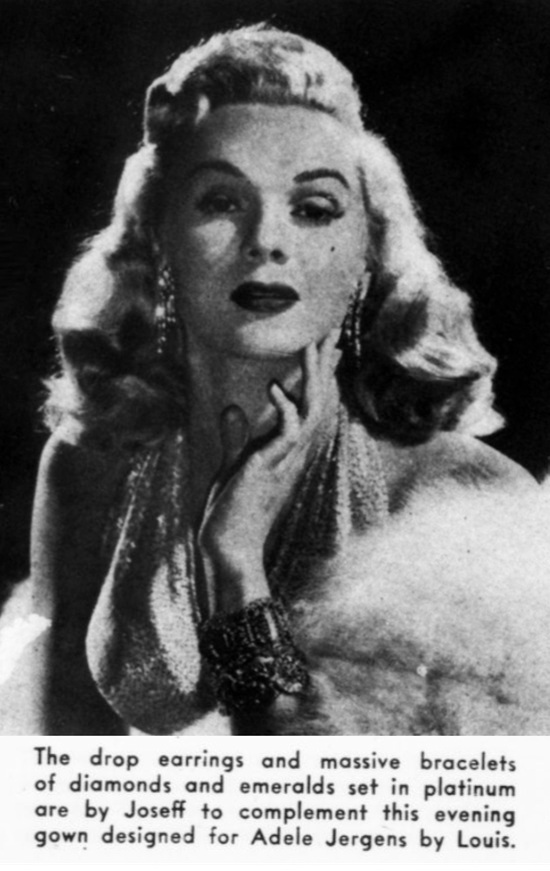
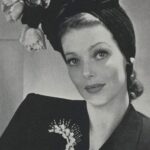
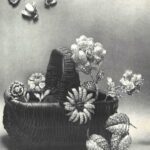
Prominent Hollywood jeweler Eugene Joseff

At a young age, Eugene Joseff began working in the advertising business in Chicago while learning how to cast jewelry. In 1928, he moved to Los Angeles, where he met some costume designers in Hollywood. Joseff criticized the jewelry that they used in films. He challenged Hollywood to do better, and he did.
Back in the 1930s, jewelry making was just a hobby for Joseff. His workshop was in the garage of his home on Sunset Boulevard in Hollywood, where Joseff began experimenting with jewelry making. Within five years, most of the jewelry worn by actors and actresses in films was made in Joseff’s studio and workshop.
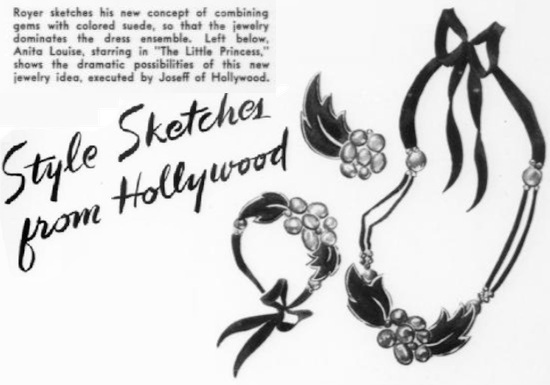
Exquisite headdresses, gem-studded tiaras, magnificent necklaces, rings, bracelets and earrings bear Joseff trademark. He was one of the first to elevate humble plastic materials to a high level. As Joseph confessed, “I have a flair for plastic. I like it. Not only is it easy to work with, but when handled properly, it retains all the beauty, sophistication and stability inherent in any material used in jewelry.”
Joseff approached the matter seriously. He studied history books, old magazines, visited museums, carefully studying antique jewelry. That time, jewelry did not mean much in the cinema, and actresses often used their own jewelry. One of the reasons for his success was the method he developed “antique” or “Renaissance look” in jewelry. This did not allow the jewelry to glare in the spotlights during filming.
Joseff employed anywhere from 35 to 70 people, depending on the season, most of them skilled craftsmen who came to Hollywood from all over the world. His shop was equipped to handle wood, glass, pewter, platinum, gold, silver, and gemstones.

Prominent Hollywood jeweler Eugene Joseff
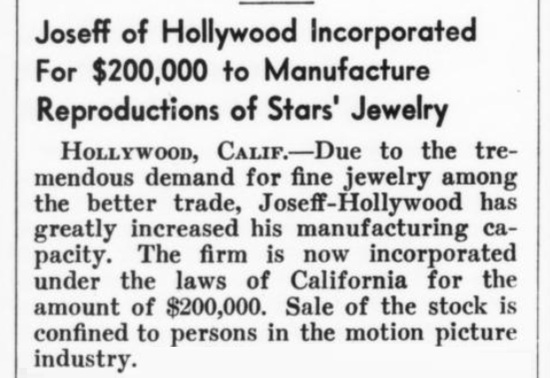
Joseff owned a wartime aircraft engine parts plant in Burbank, part of which he converted into a costume jewelry factory. The factory not only supplied movie queens with luxurious fake jewelry, but also mass-produced copies of famous jewelry.

In a 1947 interview, Joseff explained the importance of jewelry in film. “When moviegoers watch a scene for five or ten minutes, they form a vivid impression of the jewelry the actors are wearing. They may not rush to buy it, but it stimulates their interest in jewelry and creates a demand for similar items.”
Joseff’s authority was unquestionable. Thus, costume designers often first selected original jewelry designed by Joseff and made in his studio, and then based their costumes on it. Joseff had many plans for the future of his company and his personal life. However, as fate would have it, none of them were to come to fruition.
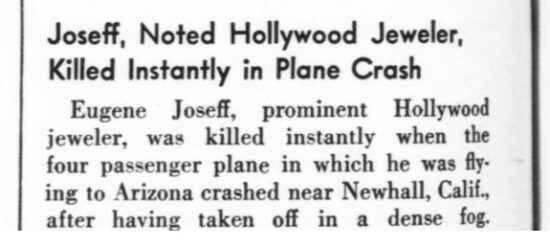
According to an obituary, Eugene Joseff was killed instantly when the four passenger plane in which he was flying to Arizona. “He is survived by his widow and one young son”.

Joan Castle Joseff
A native of Canada, Joan joined Eugene Joseff in 1938 with a degree in psychology and three years of business experience. She married her boss in 1942, then became her husband’s business partner and decided to pursue jewelry design. They had a son, Jeff, in 1947.

Joan Castle Joseff, proprietor of the costume jewelry firm, Joseff-Hollywood Inc., 129 East Providencia Street, Burbank, California, continued her husband’s work. In 1950, the magnificent screen jewels created by Joseff-Hollywood for the films traveled around the country as part of an exhibition organized by her.

In January 1956 Joan Castle Joseff recieved an award – an honorary life membership in the Women of the Motion Picture Industry organization. Joan did both modern and period jewelry, and had more than three million pieces in her collection. In addition to her close association with motion pictures, she also created pieces for the retail jewelry trade.
In the late 1950s, Joan noticed a decline in interest in costume jewelry and reoriented to the manufacture of figural brooches, which were incredibly popular at the time. Work with film studios was almost finished by the end of the 60s, and Joan switched to cooperation with television. She began working with the then new TV shows “I Love Lucy” and “Queen for a Day”. In the 80s, Joan created jewelry for the famous TV series “Dallas” and “Dynasty”.
J. C., as her friends called her, had at her “fingertips a vast library of hundreds of volumes of photos of costume jewelry and replicas of practically every outstanding piece ever created. Joan remained in business until her death at age 97 in 2010.

Joseff of Hollywood Vintage Jewelry:


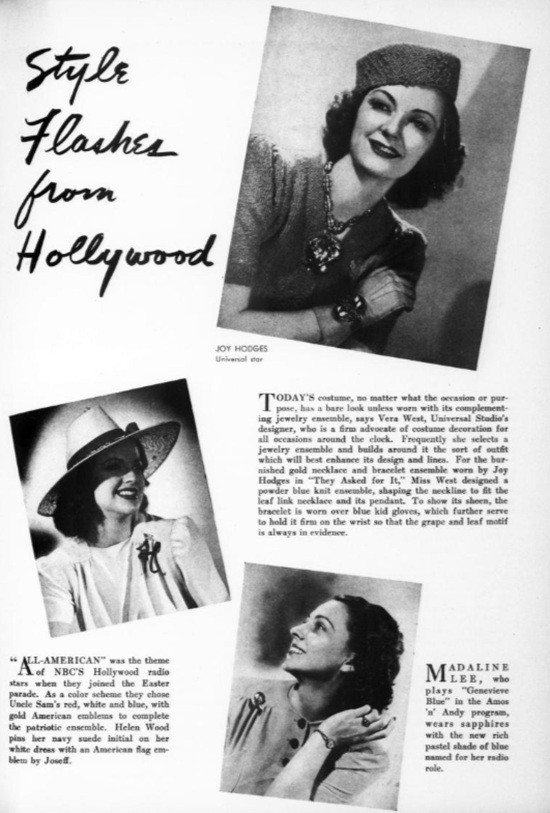
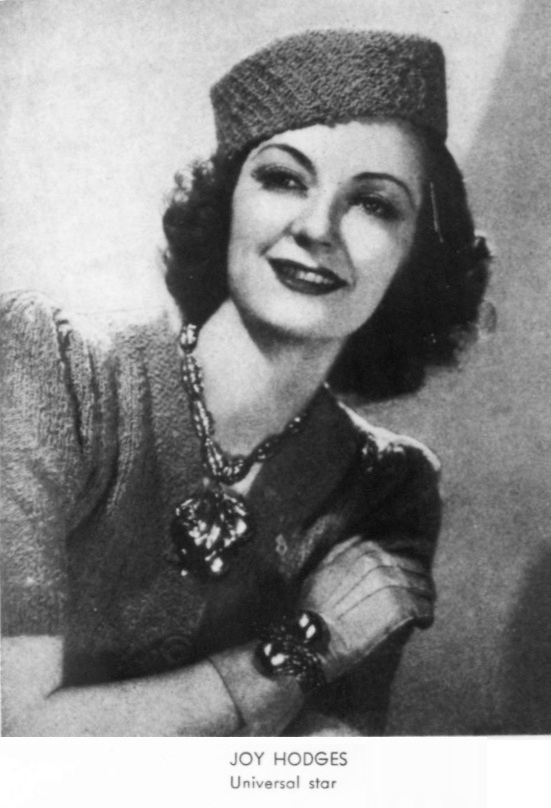
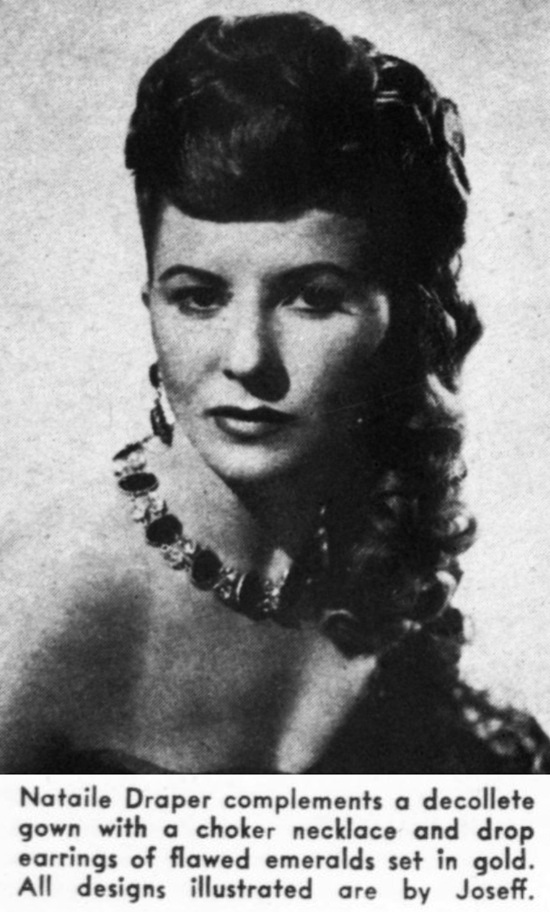
Hollywood Actresses wearing Joseff Jewelry: