Leo Glass Jewelry Company History
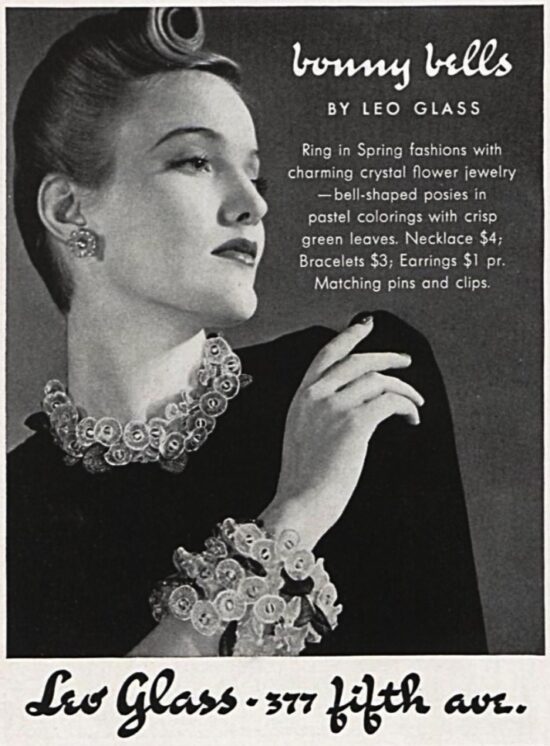
Leo M. Glass (1903-1958) and his wife Beatrice Glass (d. 1999) founded a jewelry importing, selling, and manufacturing company Leo Glass & Co in August 1928. Registered at 389 Fifth Ave., New York, the small company began by buying and selling costume jewelry, fine leather goods and novelties.
It’s worth noting that before founding his company, Leo Glass spent several years selling various goods, including jewelry. His last position, until March 1928, was as a sales representative for the well-known company D. Lisner & Co. It was from this time that Leo Glass was first mentioned in the Jewelry Circular.
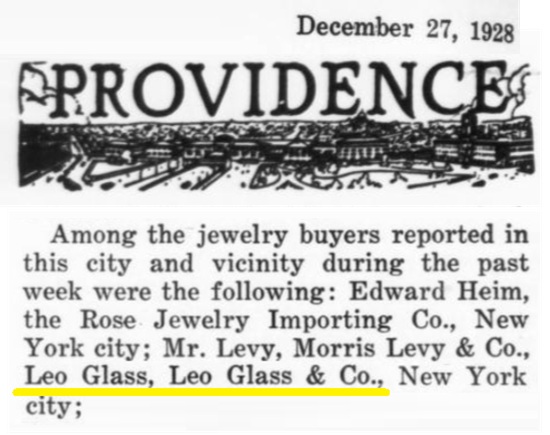
According to the Jewelry Circular, as early as December 1928, Leo Glass & Co., New York City, was among the jewelry buyers in Providence and its environs.

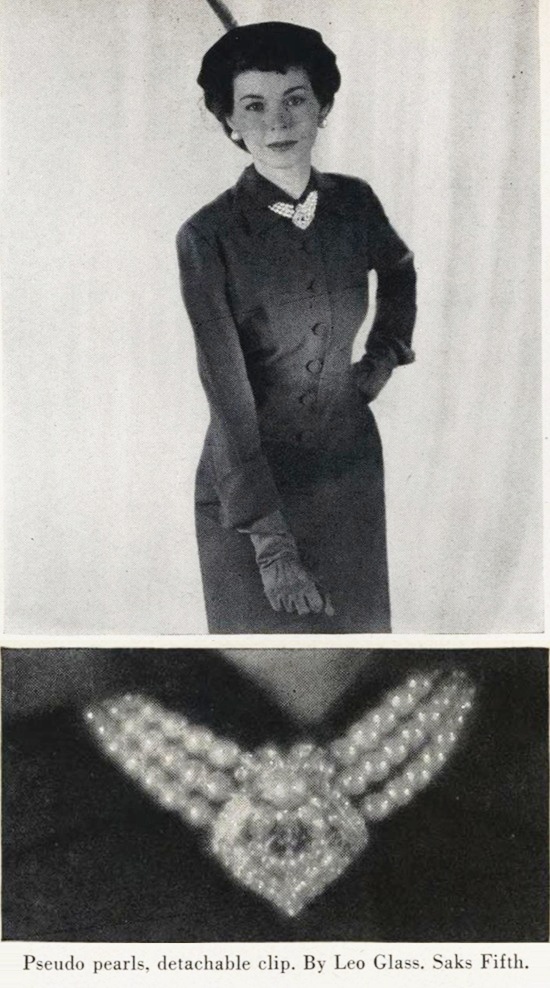
By the early 1930s, Leo Glass was already working with New York brands like Saks-Fifth Avenue, Bonwit Teller, and several other luxury houses. Because Leo Glass’ clientele was younger, more stylish, and less conservative than other houses on Fifth Avenue, their most popular designs were large-scale jewelry pieces in more refined color and material combinations.
In February 1935, Modern Plastics magazine published an article about the materials used by Leo Glass. According to the article, jewelry manufacturer Leo Glass demonstrated “exquisite use of wood and cast phenolic resin.”
Warning of a strike

In the mid-1930s, when more than 40 people were employed in the company’s office, warehouse, and workshop, tensions with management arose. After warning of a strike, the company raised wages from $2 to $6. Furthermore, the workers won two weeks of paid sick leave, a 40-hour workweek, and seniority rights.
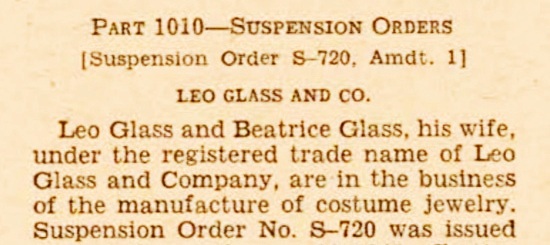
During World War II, in February 1945, the War Production Board suspended the Leo Glass Company for violating regulations restricting the use of silver and precious metals. However, this ban was short-lived and was lifted in the spring of 1945.
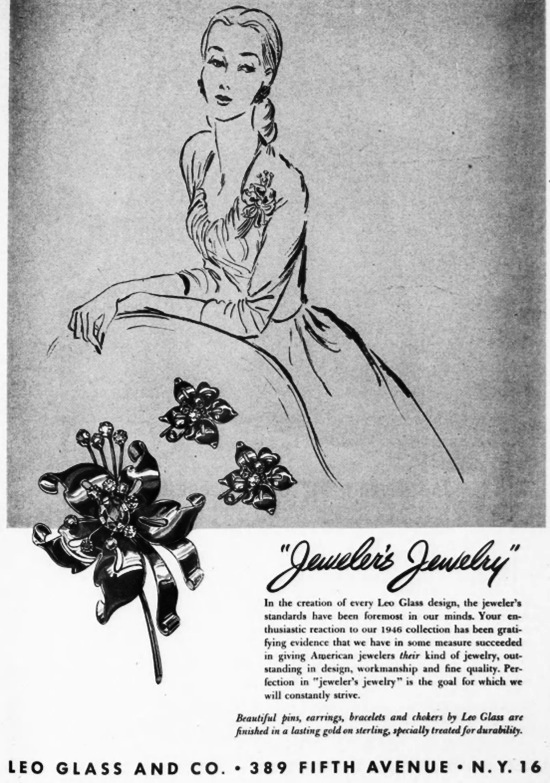
Leo Glass Advertising
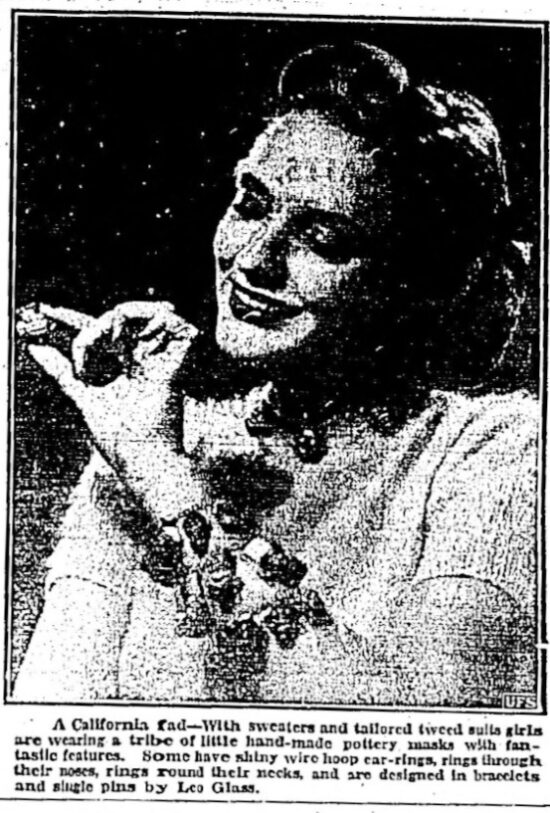
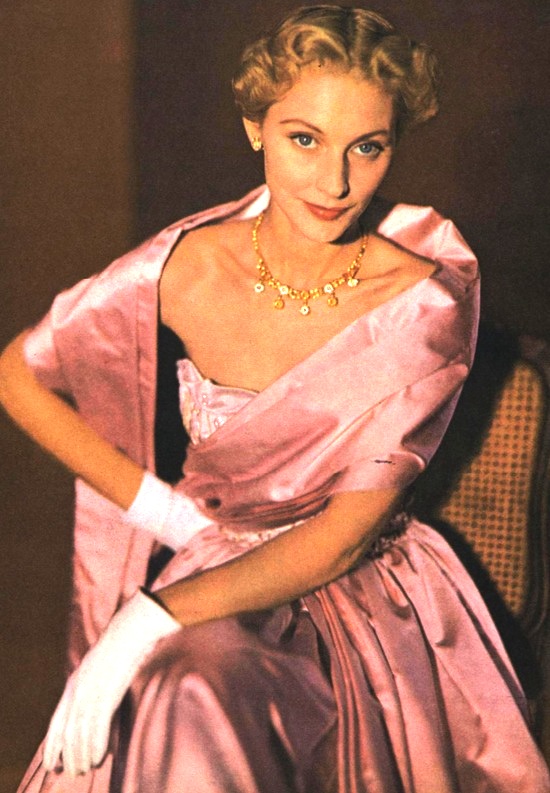
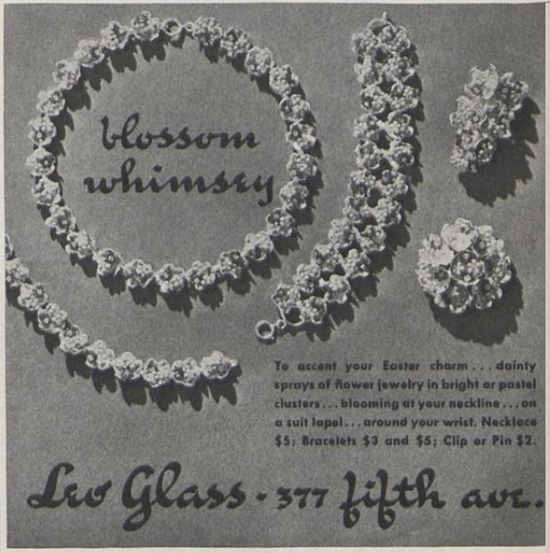
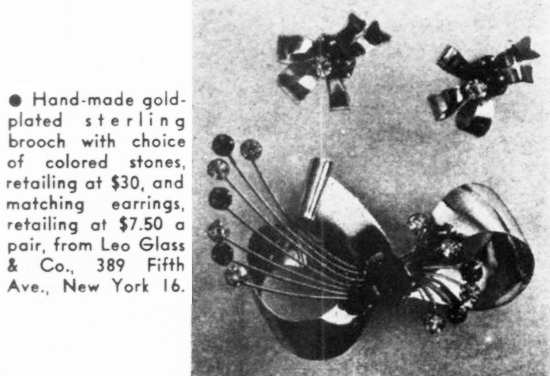
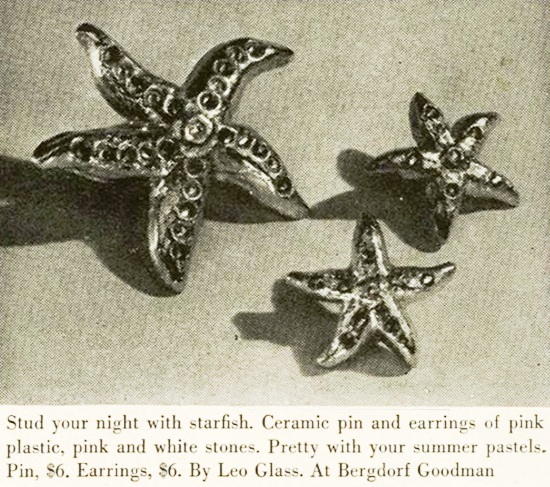
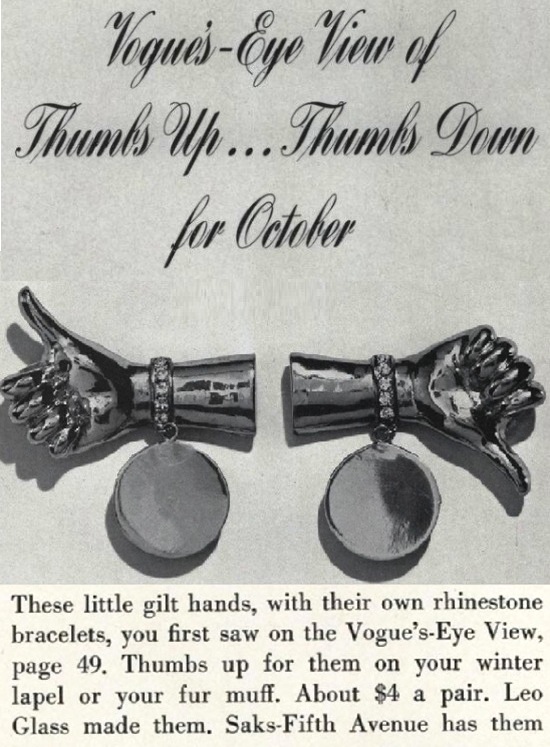
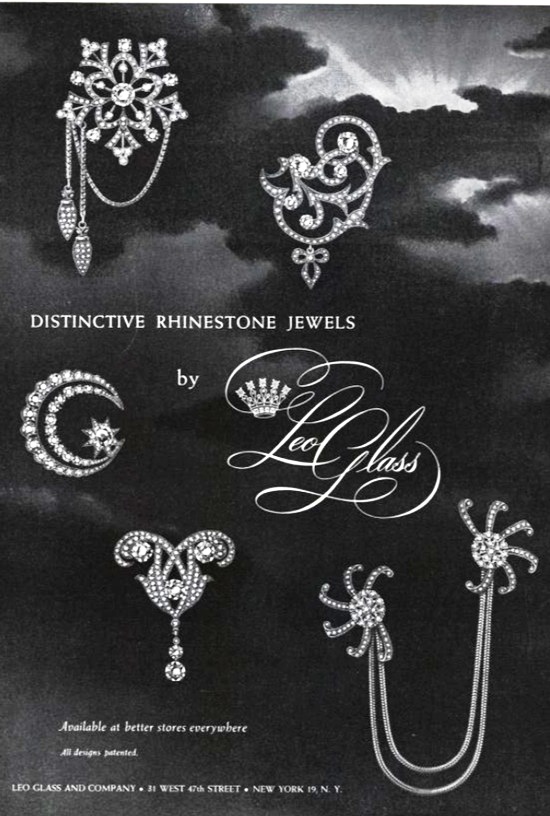
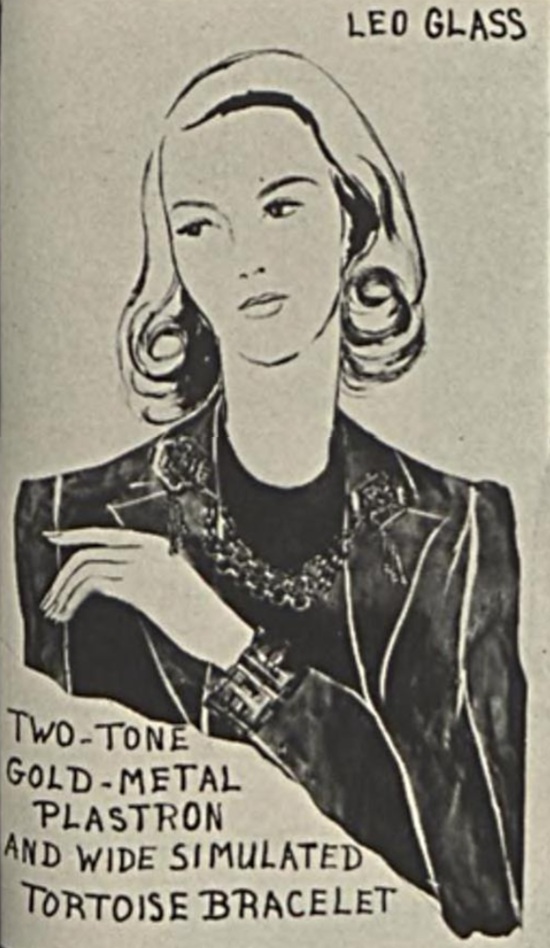
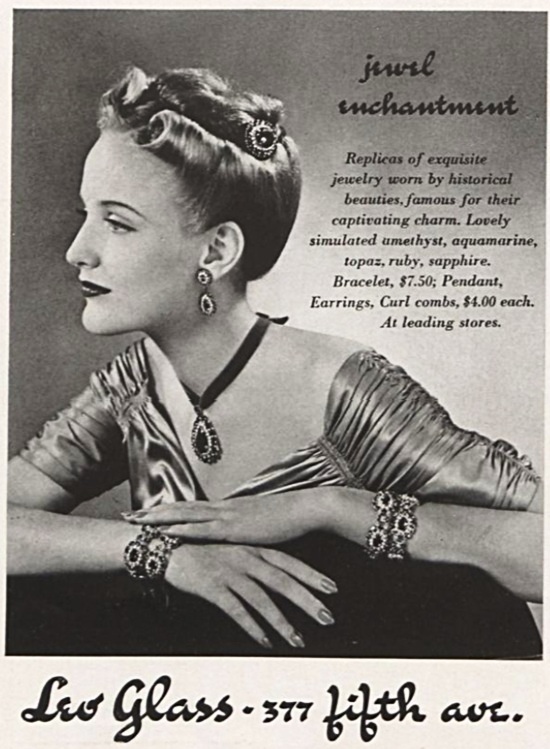
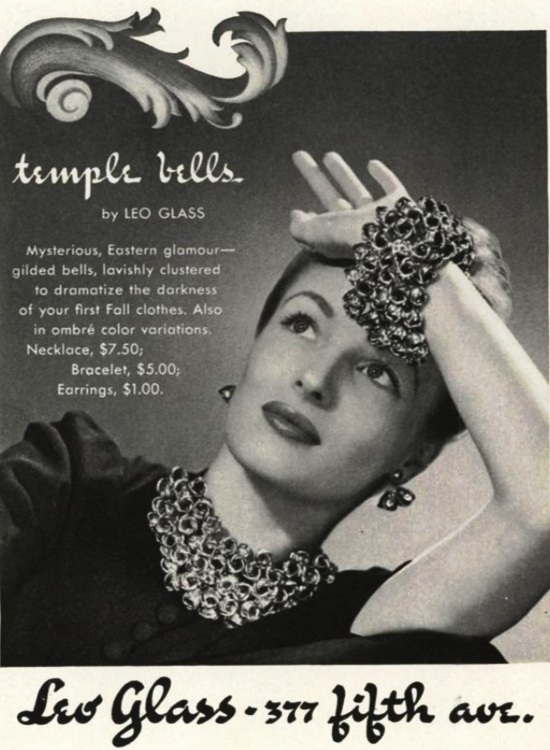
Exquisite and fashionable Leo Glass jewelry pieces crafted from a variety of materials and high-quality craftsmanship were very popular. Many publications, fashion magazines, and newspapers featured advertisements for these items from the 1930s to the 1950s.

Important changes in the company’s history occurred in 1954, when the company became a corporation – Leo Glass & Co, Inc, 37 East 18th street, New York 3, N. Y. Beatrice Glass assumed the leadership following Leo M. Glass’s retirement after suffering a stroke.
Along with Beatrice Glass, Leo’s sister, Anne Glass, and brother, Sol Glass, managed the corporation. Other key company executives included Vice President Alvin G. Blumberg, Andrew Strauss, Walter Afield, and Donald Ross.
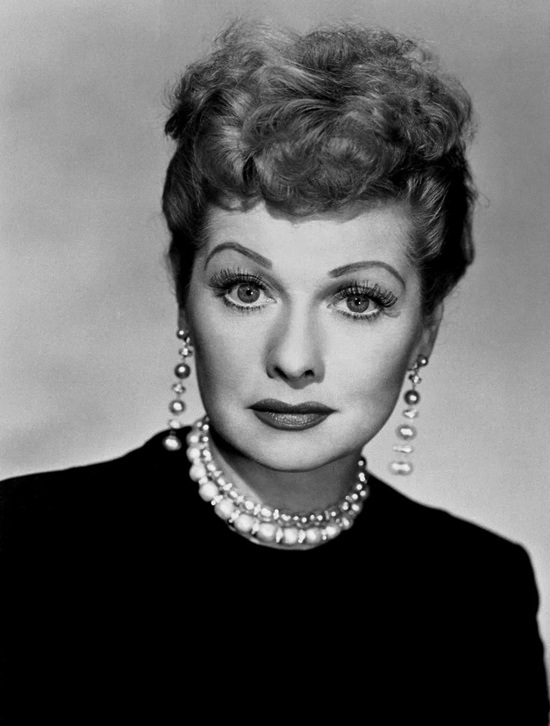
Collaboration with Lucille Ball
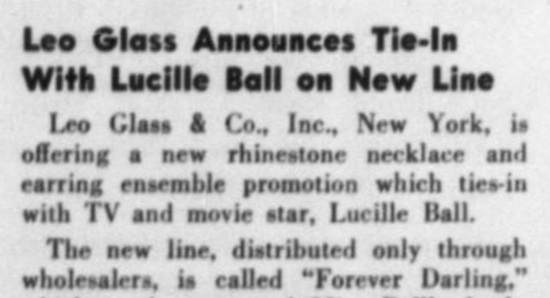
In January 1956, Leo Glass announced a collaboration with Lucille Ball to release a new jewelry collection, “Forever Darling,” a rhinestone necklace and earring set. The new jewelry line was based on the title of an upcoming film with Lucille Ball.
Leo Glass died in July 1958 at the age of 55, and by that time the company had ceased to exist. Leo Glass was a member of the Twenty-Four Karat Club, the Council of the Jewelry Industry, and the Sales Executives Club of New York. Beatrice Glass was also active in public life, a philanthropist, and a member of various charitable foundations.
Beatrice and Leo were renowned art lovers and owned a rich private collection of paintings by prominent artists such as Picasso, Marc Chagall, Georges Braque, Pierre Bonnard, and others. They often lent these paintings to exhibitions of selected artists organized by national art museums.
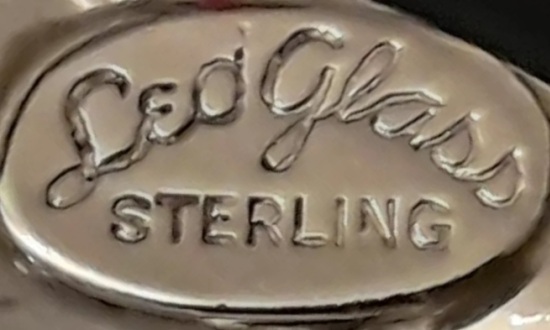
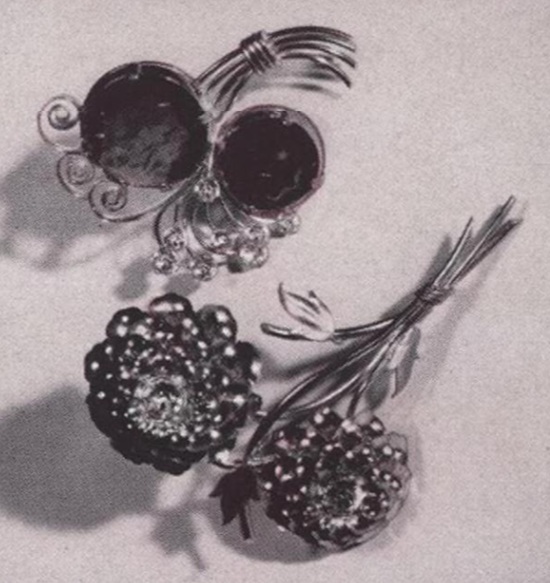
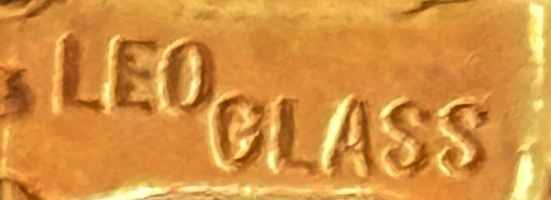
Leo Glass Jewelry